
An Introduction To Prenatal Psychology-Understanding What The Prenate Understands
One of the VERY first books I read on understanding prenatal psychology was Thomas Verny's book "The Secret Life of the Unborn Child." It was his book that convinced me more deeply of the integrity of the fetus and its ability to sense and feel all things around them. A must read for anyone interested in learning more about what information your baby gathers while gestating inside its Mama's belly.
 |
| img |
I'm gonna go ahead and let all of you listen to an EXPERT on the subject of perinatal behaviors, comprehension and integration. I wholeheartedly agree with his philosophies and beliefs on conception and pregnancy. How we are born is merely a mirror of how the rest of our lives will end up in regards to connection and bonding....LOVE and TRUST. In Peace, Rachel

Public Schools KILL Creativity
My 2 oldest boys asked to attend public school this year. I am still begging them daily to come back home for school. They are really enjoying the social aspects public school provides. I do believe that our current public school system is failing our children in a multitude of ways....aside from the creativity bit.
Our children enter our world with the hopes of opening themselves up to the world around them and being who they are MEANT to be while they are here. When our births are traumatic or abusive in anyway, we lessen the ability for our children to truly open themselves to their full potential.
They come into the world curious and eager to learn and grow in a healthy, balanced environment. One where they are NOT told who they are or even what we, as their parents, expect of them. Its time for us, as parents, to HEAR the words of our children and really LISTEN to what they want for THEMSELVES. They know their own path and they know how to fulfill it. We need to step out of their way and just hold a space of LOVE and DEVOTION for them as they learn and grow the way THEY know how.
I apology for my lack of new posting on Friday and again on Monday. I had an AMAZING weekend! Chris and I stayed the weekend in Salt Lake City celebrating our 17th anniversary. The first day we got married, I thought I couldn't LOVE him more. But I do! More than I EVER thought possible.
Opening my heart to the WORLD and learning more about how I can be the BEST me has been my goal for the last several years. I'm grateful for the videos like above that open my own eyes as to how I might be stifling I'm own creativity and growth for new information and for new connections.
In Peace,
Rachel
White Sugar Makes You And Your Fetus Stupid and Sick
SUGAR! ITS EVERYWHERE! and in EVERYTHING. Sugar is a DRUG! No different than heroine or cocaine. New research is actually PROVING that the body registers sugar NO different than heroine. Google it and find out for yourselves!
Funny thing is....we are actually delivering babies that are already sugar addicts at birth because of the diet we're eating during pregnancy. Then we go on to define their limbic food imprint by feeding them foods that are NOT real foods. They are processed CRAP! The majority of fast food and processed, packaged and canned items are NOT FOOD at all. They are something else entirely and, to be honest, I'm not even sure what they are.
An example would be a twinkie! Really....it actually scares me that it can sit on a shelf for YEARS and never go bad. Or hopefully all of you have seen the movie "SUPERSIZE ME." If you haven't, WATCH it. Its extremely foul to see how McDonald's french fries NEVER go bad. Days, weeks even MONTHS go by without a change in the fry. Its FOUL! There's no other word for it. Then we go on to consume these items and call them food.
Sugar effects the human system NEGATIVELY in every way possible. It affects every organ of the body but even more importantly it affects the BRAIN that sits in our digestive tracts. Yes, we actually have a digestive system brain! Its called MICROFLORA or good bacteria. Sugar kills, similar to antibiotics, our internal flora that helps to feed the rest of our bodies in a POSITIVE way. Beneficial bacteria feeds and strengthens the immune system PROFOUNDLY.
The problem we're currently at is with the rate of sugar consumption and antibiotics our health as humanity, as a whole, is decreasing in EVERY way imaginable. I still remember when I learned all the AWFUL effects of sugar on the human system and then went and looked at all the products in my kitchen. Every single that was packaged, processed or canned had some form of sugar in it. I was SHOCKED!
When people ask me what would be the #1 ingredient that I think should be completely cut out of the human diet, its SUGAR. You'd think just cutting out one ingredient wouldn't be that hard but IT IS! I was amazed how difficult it was, 12 years ago, to find products that didn't contain sugar. Luckily, now times have changed. People are wising up about the debilitating affects of sugar consumption. They are learning how to read labels and make good choices for them and their families.
I think the saddest part about the video above is when Jamie asks the school kids about different fresh foods. I know I live in a healthy eating world but I was VERY surprised to see that children didn't even know what tomatoes or potatoes were. What a SAD state for those children and their families! But I am VERY EXCITED to see Jamie striving to make a difference in public schools and around the nation.
Though I am a HUGE proponent for a raw foods diet, but I also believe we should be educating ourselves about what whole foods and raw foods are. We should KNOW where our food is coming from to guarantee freshness and high nutrient content. We should be understanding the increased health and vitality you and your family can receive by eating fresh, organic, and raw fruits and veggies. But most importantly, as we shift to a healthier way of eating, she should LISTEN to our own intuition of what foods and herbs are BEST for us and our families.
We have inside of us this WONDERFUL ability to have ALL the answers for ourselves and our lives. Intuitive living comes from self experimentation and exploration. This means TRYING new foods regularly! Educating yourself on what foods contain the HIGHEST nutrient contents and start incorporating those into our diet.
A BIG part of conscious parenting means we expand our own ideas and views of our world and think of ways we can make it better for ourselves and our children. By doing so, we create MORE conscious and aware beings who LONG to take care of themselves and the people they LOVE in a healthier way. They are willing to deepen their ability to make wise food choices, along with healthy lifestyle choices.
Its UP to US! Do what you can to make even a small change...TODAY! Cut sugar out of your diet. FOREVER! I promise you won't regret it. I haven't. Not ONE bit! In fact, as soon as I cut sugar out of my diet, my health increased GREATLY! I was surprised how much better I felt immediately. One of the most profound effects I saw was more vibrant looking skin. Any discolorations on my skin or weird bumps or acne, almost immediately cleared up. It was WONDERFUL!
Below I have posted 2 articles on sugar and the effects on the brain and the effects on baby in pregnancy. I hope you enjoy them both and feel inspired to COMPLETELY let go of your strong addiction to sugar. Oh, and don't be afraid to say it....you are an addict. But fortunately, once you make the decision to save your life and the life of your children....you'll find its the EASIEST addiction to KICK!
In Peace,
Rachel
___________________________________________________________
Sugar makes you stupid
UCLA study shows high-fructose diet sabotages learning, memory
Attention, college students cramming between midterms and finals: Binging on soda and sweets for as little as six weeks may make you stupid.
A new UCLA rat study is the first to show how a diet steadily high in fructose slows the brain, hampering memory and learning — and how omega-3 fatty acids can counteract the disruption. The peer-reviewed Journal of Physiology publishes the findings in its May 15 edition.
"Our findings illustrate that what you eat affects how you think," said Fernando Gomez-Pinilla, a professor of neurosurgery at the David Geffen School of Medicine at UCLA and a professor of integrative biology and physiology in the UCLA College of Letters and Science. "Eating a high-fructose diet over the long term alters your brain's ability to learn and remember information. But adding omega-3 fatty acids to your meals can help minimize the damage."
While earlier research has revealed how fructose harms the body through its role in diabetes, obesity and fatty liver, this study is the first to uncover how the sweetener influences the brain.
The UCLA team zeroed in on high-fructose corn syrup, an inexpensive liquid six times sweeter than cane sugar, that is commonly added to processed foods, including soft drinks, condiments, applesauce and baby food. The average American consumes more than 40 pounds of high-fructose corn syrup per year, according to the U.S. Department of Agriculture.
"We're not talking about naturally occurring fructose in fruits, which also contain important antioxidants," explained Gomez-Pinilla, who is also a member of UCLA's Brain Research Institute and Brain Injury Research Center. "We're concerned about high-fructose corn syrup that is added to manufactured food products as a sweetener and preservative."
Gomez-Pinilla and study co-author Rahul Agrawal, a UCLA visiting postdoctoral fellow from India, studied two groups of rats that each consumed a fructose solution as drinking water for six weeks. The second group also received omega-3 fatty acids in the form of flaxseed oil and docosahexaenoic acid (DHA), which protects against damage to the synapses — the chemical connections between brain cells that enable memory and learning.
"DHA is essential for synaptic function — brain cells' ability to transmit signals to one another," Gomez-Pinilla said. "This is the mechanism that makes learning and memory possible. Our bodies can't produce enough DHA, so it must be supplemented through our diet."
The animals were fed standard rat chow and trained on a maze twice daily for five days before starting the experimental diet. The UCLA team tested how well the rats were able to navigate the maze, which contained numerous holes but only one exit. The scientists placed visual landmarks in the maze to help the rats learn and remember the way.
Six weeks later, the researchers tested the rats' ability to recall the route and escape the maze. What they saw surprised them.
"The second group of rats navigated the maze much faster than the rats that did not receive omega-3 fatty acids," Gomez-Pinilla said. "The DHA-deprived animals were slower, and their brains showed a decline in synaptic activity. Their brain cells had trouble signaling each other, disrupting the rats' ability to think clearly and recall the route they'd learned six weeks earlier."
The DHA-deprived rats also developed signs of resistance to insulin, a hormone that controls blood sugar and regulates synaptic function in the brain. A closer look at the rats' brain tissue suggested that insulin had lost much of its power to influence the brain cells.
"Because insulin can penetrate the blood–brain barrier, the hormone may signal neurons to trigger reactions that disrupt learning and cause memory loss," Gomez-Pinilla said.
He suspects that fructose is the culprit behind the DHA-deficient rats' brain dysfunction. Eating too much fructose could block insulin's ability to regulate how cells use and store sugar for the energy required for processing thoughts and emotions.
"Insulin is important in the body for controlling blood sugar, but it may play a different role in the brain, where insulin appears to disturb memory and learning," he said. "Our study shows that a high-fructose diet harms the brain as well as the body. This is something new."
Gomez-Pinilla, a native of Chile and an exercise enthusiast who practices what he preaches, advises people to keep fructose intake to a minimum and swap sugary desserts for fresh berries and Greek yogurt, which he keeps within arm's reach in a small refrigerator in his office. An occasional bar of dark chocolate that hasn't been processed with a lot of extra sweetener is fine too, he said.
Still planning to throw caution to the wind and indulge in a hot-fudge sundae? Then also eat foods rich in omega-3 fatty acids, like salmon, walnuts and flaxseeds, or take a daily DHA capsule. Gomez-Pinilla recommends one gram of DHA per day.
"Our findings suggest that consuming DHA regularly protects the brain against fructose's harmful effects," said Gomez-Pinilla. "It's like saving money in the bank. You want to build a reserve for your brain to tap when it requires extra fuel to fight off future diseases."
The UCLA study was funded by the National Institute of Neurological Disorders and Stroke. Gomez-Pinilla's lab will next examine the role of diet in recovery from brain trauma.
The UCLA Department of Neurosurgery is committed to providing the most comprehensive patient care through innovative clinical programs in minimally invasive brain and spinal surgery; neuroendoscopy; neuro-oncology for both adult and pediatric brain tumors; cerebrovascular surgery; stereotactic radiosurgery for brain and spinal disorders; surgery for movement disorders such as Parkinson's disease; and epilepsy surgery. For 20 consecutive years, the department has been ranked among the top 10 neurosurgery programs in the nation by U.S. News & World Report.
____________________________________________________________
Sugar and Pregnancy
 Everyone knows that sugar is not good for them but most people do not know the real toll that sugar can take on their health. The health effects of sugar are unfortunately compounded during pregnancy for a number of reasons. Excessive or even moderate sugar intake during pregnancy can have a very direct and negative impact on the health of you and your baby.
Why women eat sugar during pregnancy
The biggest problem with sugar intake during pregnancy is that it is socially acceptable, unlike drugs, alcohol or smoking. Many if not most women will quit drugs, alcohol, cigarettes and caffeine as soon as they find out they are pregnant due to social pressures and concern for their baby’s wellbeing. It is not only socially acceptable for pregnant women to eat sugar, but they are often encouraged by family members to eat more sugary treats and give in to their cravings.
Women also believe they are finally entitled to eat whatever they please as a benefit of being pregnant. While they may deny themselves Krispy Kremes and Haagen Daaz normally, during pregnancy anything goes because nobody will say anything and they plan on gaining weight anyway.
In addition to the lack of social restraint, pregnant women also experience powerful cravings for a variety of foods, and sugary treats are often on the list. The reason for these cravings is not a physiological need for sugar however, but a need for regular meals and snacks throughout the day. You have a much greater blood supply and extra hormones in your body during pregnancy and that means that you feel dips in your blood sugar more so than when you are not pregnant.
Skipping meals is a no-no for non-pregnant people because they will reach for the first candy bar or soda they can get their hands on a few hours later. This is even more true during pregnancy. It may feel like an overpowering craving but it is simply your body crying out for fuel. Regular, small meals are the answer, not a piece of chocolate cake.
Why Sugar is Worse During Pregnancy
Eating foods with refined sugar is bad for everyone. Even in healthy people, sugar causes weight gain, tooth decay, gum disease, rapid fluctuations in blood sugar that tax the body, reduced immunity, displaced minerals, elevated risk for cardiovascular disease and premature aging.
The sugar story gets worse for pregnant women. During pregnancy, sugar is rapidly absorbed into your blood and in order to regulate this sugar, your body requires larger amounts of insulin which is released by your pancreas. If you are eating excessive or even moderate amounts of sugar, your pancreas is going to have a difficult time keeping up. If your pancreas falls short of its job, then your blood sugar levels stay elevated. This is a problem even if you not develop full blown gestational diabetes (which is insulin intolerance).
Excessive sugar intake and elevated blood sugar levels will also cause you to gain excessive weight while pregnant. While you should gain a moderate amount of weight during pregnancy, it should be due to the weight of your fetus, increased blood volume and uterine contents, breast size and other pregnancy related weight, not just growing a fatter butt. When you are simply taking in more calories than you need, you are not the only one who gains excessive weight. Your baby may also grow too large.
Macrosomia is a condition where a baby grows excessively large due to a constantly high level of maternal blood sugar, generally due to gestational diabetes. This condition increases the risk of birth complications such as shoulder distocia and cesarean section. In addition, large babies of mothers with elevated blood sugar levels also have a higher risk of childhood obesity.
In addition to packing unnecessary pounds on yourself and complicating your pregnancy and birth with an overly large baby with a propensity for health problems, you will also run the additional risk of pregnancy related dental problems if you engage in excessive sugar consumption. Oral health during pregnancy is extremely important because toxins from periodontal disease have been proven to cross the placental barrier and reach your fetus, potentially causing both premature birth and birth defects. In fact, women with periodontal disease are seven times more likely to have a premature delivery than those with healthy gums.
In addition, women and society in general like to use the term “eating for two” which is actually nonsense. During your first trimester you do not require any extra calories and your body only needs an extra 300 calories during the second and third trimester, which should consist of high quality protein, vitamins and minerals because your body is literally building another human being. If you are not eating the proper nutrients to build a little human being’s bones, blood, fingernails and hair, then the necessary nutrients will be sucked out of your nutritional stores, putting you at risk for lifelong health problems, osteoporosis, postpartum depression and a number of other health conditions that are entirely avoidable by eating well before, during and after pregnancy.
In addition, it makes sense to get the sugar out of your house before your child is born. Children who regularly eat sugar experience raised adrenal levels, hyperactivity, anxiety, depression, concentration difficulties, low immunity, crankiness, sleep troubles, tooth decay, obesity and weight problems and lifelong health problems and disease. Do you think it is easier to get the sugar out of your home before they are born or when they are 10 and addicted to Fruit Loops or other such nonsense?
“It doesn’t matter what disease we are talking about, whether we are talking about a common cold or about cardiovascular disease, or cancer or osteoporosis, the root is always going to be at the cellular and molecular level, and more often than not insulin is going to have its hand in it, if not totally controlling it.” Healingdaily.com
Forms of Sugar
Sugar is more than that white stuff you put in your coffee. Sugar is everywhere and comes in a variety of shapes and sizes and it is imperative that you know the sneaky forms that sugar comes in if you plan on avoiding it. First and foremost, virtually anything in a bag, box or can has added sugar. There are a very few exceptions to that rule, such as a bag of frozen vegetables, but by and large, any pre-packaged, prepared food is going to have added sugar, period.
If you insist on buying packaged foods, read the labels. Anything with a label is bound to have sugar anyway, but read for yourself. Look for any ingredient ending in ‘ose’. Fructose, dextrose and glucose are all sugars. Bread has sugar. Pizza has sugar. Sodas, pastries, cakes, cookies, and other goodies all have sugar. Almost everything has some form of sugar in it.
In addition, other foods such as dairy and starches will convert to sugar in your body more rapidly than high protein foods and vegetables. It is important to become familiar with the glycemix index if you wish to lower your sugar intake.
Sugar Alternatives
Ideally you will simply forgo fast food, packaged foods, drinks and baked goods while pregnant for high quality protein and raw produce but it may be very unrealistic for you to change your eating habits cold turkey especially if your family and friends tend to indulge in the foods you are trying to avoid.
White sugar is processed with chemicals and all the good nutrients are stripped from it. It is nothing short of poison and you should not touch it. Whatever you do, do not under any circumstances, substitute chemical sweeteners. They are even worse than sugar. Nutrasweet, Aspartame, Sucralose and Splenda. Poison, poison, poison. They are man made, chemical toxins. Do not dream of touching them while you are pregnant if you value your health and the health of your unborn child. They are linked to a myriad of long term, health conditions. Don’t even think about it. If the package says, “low sugar” or “sugar free”, run don’t walk the other way.
If you would like to still have a little bit of sweetness in your life go ahead, in moderation, by choosing sweeteners made by mother nature. Enjoy these options in their raw, natural forms and keep in mind that they are still high on the glycemic index and can also contribute to tooth decay. Blackstrap molasses is exceptionally healthy and will add delicious maltiness to coffee and baked goods. Raw, organic honey with propolis is also considered an amazing health food and is an excellent sugar replacement. Stevia is another natural sugar alternative but has not been tested on pregnant women, so you may wish to err on the side of caution. Even sugar itself is loaded with nutrients if it is raw, organic and untouched. If is is just a sugar fix you crave, get some high quality organic, fair trade chocolate. It will load you up with antioxidants and potentially keep your stress level down if you are a real sugar addict.

Women quit smoking when they find out they are pregnant. Women stop drinking when they find out they are pregnant and women should also stop eating sugar when they find out they are pregnant if they value their health and the health of their beautiful, unborn child.
More resources about sugar dangers:
Healingdaily.com
Pregnancy: High-Normal Blood Sugar Risky – WebMD.com
Sugar in Urine During Pregnancy – Drspock.com
Dr. Greene recommends blood test for glucose, called HgA1C
Image source: http://flickr.com/photos/pinkspleen/471510638/
Oxytocin vs Adrenaline-Love vs Fear
I absolutely ADORE Marianne's "Spiritual Birth" website. Her insights and information are WONDERFUL! I also ADORE Oxytocin. What a REAL gift! The article below is concise of what oxytocin is and how it is VITAL for the birth environment.
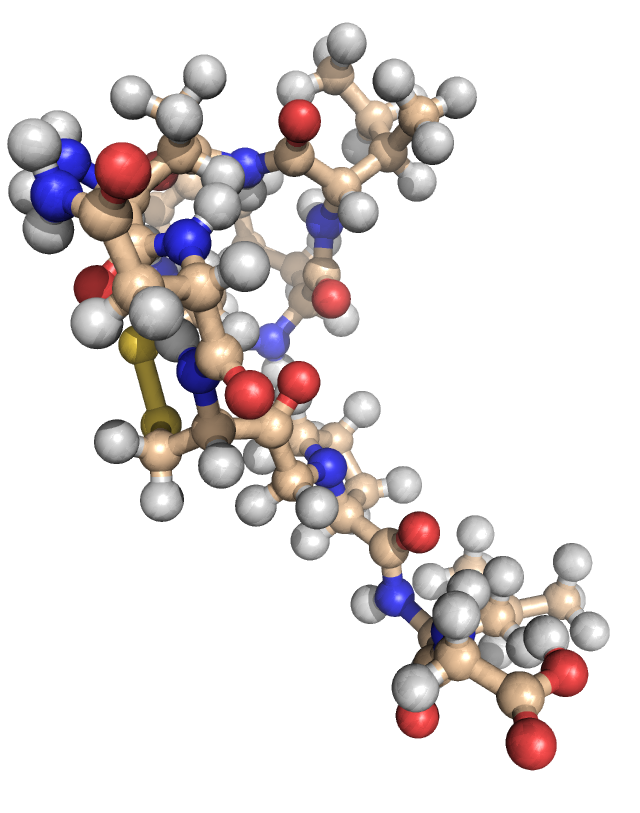
Molecules of Love
Oxytocin, the hormone of love, stimulates the release of a chemical messenger called “atrial natriuretic peptide” by cells in the heart muscle. In other words, oxytocin affects the heart! Oxytocin molecules are molecules of love, the neurotransmitters of those warm feelings that make us feel warm and relaxed, kind and helpful towards others, social and friendly rather than terse
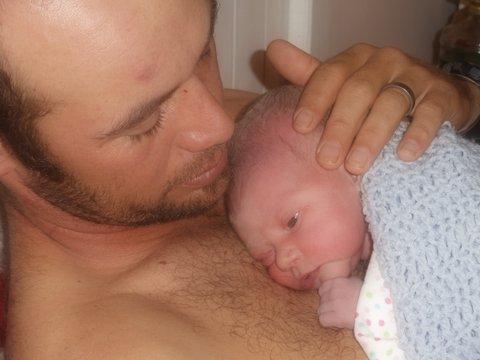 |
| Skin to skin contact stimulates the release of oxytocin |
and defensive, open and receptive rather than hard and aggressive. Let’s project into the future and imagine a world where humans exist in a group state of social cohesion, mutual affection and co-operation. What are the ingredients needed in the physiology of our bodily make-up? and how do we ensure that these ingredients are available to each of us? Oxytocin is released by the hypothalamus and pituitary gland in the brain, but without oxytocin receptors in the body, it has a hard time spreading its effects around.
Apparently oxytocin receptor cells exist not only in the uterus, cervix and the breasts, but also in the particular areas of the brain, the heart, the gut, the placenta and the inner layer of the amniotic sac surrounding the baby. Scientists at the Max Planck Institute for Medical Research have just discovered that there are pathways or nerve connections in the brain that transport oxytocin from one part of the brain to another. The inference is that we are wired to release and transport oxytocin.
The question is, what are the behaviours that will trigger the inception of optimal neuron requirements for oxytocin in the preborn and newborn human infant. It is known that the brain is plastic and has the capacity to create and grow in leaps and bounds at particular sensitive periods of human development. Parents with high concentrations of oxytocin present in their bodies display more loving and playful attention to their babies and children.
 |
| An oxytocic kiss induces a blissful smile in this newborn baby |
Women need oxytocin receptors in the uterus in order to labour and give birth effectively and it has been found that oxytocin receptor density varies among women. The reasons for this are as yet unknown, however it is possible that women with a history of early traumatic childhood experiences are unable to make sufficient receptor cells for oxytocin as a result of increased levels of cortisol or catecholamines in their system. It is known that survivors of childhood abuse show a decrease in the size of the hippocampus, which is part of the brain involved in emotional responsivity. If oxytocin is such an important mediator of social behaviour then why do we routinely disturb the first contact between mother and baby as well as father and baby?
Conception, pregnancy, birth, newborn period and early childhood would seem to me to be the most critical periods of human development. The known behaviours that stimulate oxytocin release are touch, eye contact, privacy in contact, movement and dance, laughter, food, play, kindness, empathy, pleasure, togetherness. If these are the situations that create oxytocin receptivity, then our pro-action should be to empower and educate women and men everywhere, to teach young people about preconception, pregnancy, childbirth and parenting, to set up support systems that encourage non-violence and non-separation in maternity care and parenting.
It appears that the institutionalization of human beings at the most critical periods in their lives may well be a dire mistake in terms of our capacity to love each other, to care for our environment and may ultimately put our survival on earth at risk. It also appears that we have the capacity to increase our adaptivity as a species and our capacity for loving social bonds by increasing the chances for optimal oxytocin concentrations in our bodies and brains. Obstetricians, paediatricians, neuroscientists, psychiatrists, psychologists, midwives, doulas and caregivers all need to collaborate on creating a paradigm of love and utilize our inbuilt molecules of love to the fullest possible degree. To do this we will need to humanize maternity care, increase the number of practicing midwives and doulas and facilitate inter-disciplinary collaboration. It is a public health imperative and it is possible.
|
by Gary Wilson and Marnia Robinson
|
Various spiritual teachings say that there are only two fundamental emotions: love and fear. For the body, this is true. All mammals, including humans, have two opposing hormonal responses to stimuli. Threatening stimuli cause an increase of stress hormones—adrenaline and cortisol. Soothing or reassuring stimuli cause an increase in oxytocin.
A sudden threat triggers the fight-or-flight response associated with adrenaline.
Adrenaline steps up heart rate, increases respiration, activates muscles, and promotes hyper-alertness. Longer-term stress (from a few minutes to days and weeks) increases a different stress hormone: cortisol. Cortisol, too, makes us hyper-vigilant, but its evolutionary functions are quite different than the temporary jolt of adrenaline designed to propel us out of danger.
The stress encountered by mammals—and our hunter-gatherer ancestors—was chiefly physical, not emotional. The most common physical stressors were probably starvation, long migrations, and critical injury. To cope with such emergencies, cortisol begins to break down non-essential organs and tissues to maintain blood sugar and feed vital organs. When cortisol stays at high levels, it automatically digests bones, muscles and joints to obtain these key nutrients. The result is elevated blood fats and sugar, which are related to many disorders.
Another side effect is hunger; we reach for high-calorie foods.
Today our biggest long-term stressors are emotional and mental, not physical. In effect, we are a “new” scientific experiment. We face threats in the form of potential job loss, the pressure of commuting in heavy traffic, a barrage of fear-producing media, relationship disharmony in a marriage, etc. Even though these are not physical threats, our body has only one, automatic response: more cortisol. Cortisol is very hard on the body, so all these threats indirectly become physical threats.
Fortunately, we have a built-in mechanism for countering stress, which forms the basis of our alternative response to stimuli. It entails another hormone, called oxytocin. Apart from its functions of inducing emotional bonding, labor, and lactation, oxytocin counters the effects of cortisol. This anti-stress effect of oxytocin is a recent discovery, and very exciting, because it points the way to better health by entirely natural means.
|
Fear - Cortisol
|
Love - Oxytocin
|
|
Aggression
|
Anti-stress hormone
|
|
Arousal, Anxiety, Feeling stressed-out
|
Feeling calm and connected, Increased curiosity
|
|
Activates addictions
|
Lessens cravings & addictions
|
|
Suppresses libido
|
Increases sexual receptivity
|
|
Associated with depression
|
Positive feelings
|
|
Can be toxic to brain cells
|
Facilitates learning
|
|
Breaks down muscles, bones and joints
|
Repairs, heals and restores
|
|
Depresses immune system
|
Faster wound healing
|
|
Increases pain
|
Diminishes sense of pain
|
|
Clogs arteries, Promotes heart disease and high blood pressure
|
Lowers blood pressure, Protects against heart disease
|
|
Obesity, Diabetes, Osteoporosis
|
---
|
As you can see from the chart above, nearly all the negative effects of continued stress on the body and mind are related to elevated levels of cortisol. These include: chronic anxiety and depression, emotional over-reaction, negativity, weight gain, heart disease, high blood pressure, and weakened immunity. Oxytocin, by countering cortisol, can ameliorate all of these conditions—as well as some others (see list of recent discoveries at end of article).
Numerous activities produce more oxytocin: meditation, yoga, exercise, massage, caring for a pet, joining a support group, worshiping, and so forth. Yet one of the most important avenues for decreasing stress and increasing levels of oxytocin lies in our intimate relationships. In Love & Survival, Dr. Dean Ornish points out that love and intimacy are such powerful determinants of health that if they were produced in pill form, doctors who failed to prescribe them for unhealthy patients would be guilty of malpractice.
Incidentally, one might wonder why we can’t just take oxytocin pills to increase levels of this helpful hormone. Unfortunately, oxytocin doesn’t cross the body’s “blood/brain barrier,” except in the form of nasal sprays. However, long-term administration of oxytocin via spray has resulted in amnesia, hallucinations and imbalances in electrolytes and hormones. To gain its benefits, we must either produce it naturally in the brain (or have it injected with great precision into a tiny area of the brain using special equipment…not terribly practical).
Oxytocin has been nicknamed the “bonding hormone” and the “cuddle hormone.” We produce it naturally when we love, are loved, nurture another, give selflessly, or engage in affectionate touch. It is not the neurochemical behind lust or burning sexual desire, although it is associated with sexual responsiveness.
When we choose to make love by avoiding the stress-producing cycle of highs and lows of conventional sex with its attendant anger, resentment and discouragement—and substitute a very selfless, affectionate, more balanced form of lovemaking such as Karezza or Taoist lovemaking—we can improve our health and wellbeing. This shift takes time, and the effects are subtle at first. Yet consistency can lead to profound improvements in wellbeing in a surprisingly short time.
Oxytocin equates with love; we could not fall in love without it. Cortisol equates with fear. These different hormones generate these opposing emotions, just as the emotions of love and fear trigger the production of these respective hormones. In other words, neurochemicals and behavior are circular. This means that with a bit of awareness and determination we can consciously direct our behavior toward the maintenance of our ideal hormonal balance.
By the way, oxytocin is a very unique neurochemical; the more oxytocin we make, the stronger our body and mind respond to it. Our nerve cells actually sprout more oxytocin receptors, making them more sensitive to its effects. It grows easier and easier to be loving. Oxytocin is the neurochemical basis for the adage, “The more you give, the more you get.”
Love tends to breed more love, and fear tends to breed more fear. It’s up to us.
Recent findings demonstrating the power of oxytocin:
-
Oxytocin reduces fear. Increased levels of oxytocin inhibit the fight or flight response in the brain. (Huber, 2005)
-
Oxytocin speeds healing. Wounded hamsters heal twice as fast when they are paired with a sibling, rather than left in isolation (DeVries, 2004).
-
Oxytocin counters cravings for sweets. (Billings, 2006).
-
Oxytocin reduces antisocial behavior. The administration of oxytocin normalized social behaviors in animals exhibiting schizophrenia. (Lee, 2005)
-
Oxytocin promotes healthy social behavior. Administration of oxytocin reduces symptoms of autism. (Hollander, 2003)
-
Oxytocin reduces cravings. When scientists administered it to rodents who were addicted to cocaine, morphine, or heroin, the rats opted for less drugs, or showed fewer symptoms of withdrawal. (Kovacs, 1998)
-
Oxytocin calms. A single rat injected with oxytocin has a calming effect on a cage full of anxious rats. (Agren, 2002)
-
Oxytocin levels were higher in both men and women who reported greater partner support. (Grewen, 2005)
-
Oxytocin appears be a major reason that SSRI’s ease depression, perhaps because high levels of cortisol are the chief culprits in depression and anxiety disorders. (Uvnas-Moberg, 1999)
-
Oxytocin increases sexual receptivity and counteracts impotence , which may explain why this other way of making love remains pleasurable. (Pedersen, C.A., 2002), (Arletti, 1997)
-
Oxytocin counteracts the effects of cortisol, the stress hormone. Increased levels of oxytocin in the brain decrease levels of blood cortisol. (Legros, 2003)
-
Oxytocin may increase longevity. Companionship can increase longevity—even among those who are HIV positive (Young, 2004). Oxytocin may also explain why, among various species of primates, care-giving parents (whether male or female) live significantly longer. (Cal Tech, 1998)
Conscious Parenting FREE Online Events
I think EVERYONE should sign up for this. Actually sign up for BOTH! They are both TOTALLY free! I am now listening to Elena Tonetti's WONDERFUL interview and think you ALL should do the same. You can look over the CONSCIOUS LEAP website and see if the WOMB conference they offer is something you might be looking for.


I'm so GRATEFUL for all the GIFTED people who take the time to put these events together and then share the information for free with the rest of us. What a BLESSING to be able to listen to world experts on the subject of conscious conception, pregnancy and birth!

You will hear me state over and over how IMPORTANT it is for you and your partner to EDUCATE yourselves all the myths and truths revolving around pregnancy and birth. Signing up for these online events is an EXCELLENT way to start that process. It will make a PHENOMENAL difference for you, your baby, and your family. I PROMISE!
In Peace,
Rachel
My LOVE for Placentas...Here's Why
 |
| img |
 |
| img |
 |
| img |
The Magical, Magnificent Placenta
In a world where women deliver their babies under the influence of drugs, flat on their backs and being either screamed at or sliced into, most women never see the beautiful, life giving organ that allowed their baby to survive nine months. Modern, detached women may view the placenta with disgust and revulsion, but it is a highly evolved, incredible organ that carries both function, spirit and yes, nutrition.
What is the placenta?
The placenta is an amazing organ unlike any other in the human body. It is a flat, circular organ that weighs approximately one pound or 1/6 the baby’s body weight at birth. The placenta has two sides, one for the baby and one for the mother. The baby’s side is smooth and the umbilical cord usually emerges directly from the center. The mothers side is attached to the wall of her uterus and after the placenta is delivered, it appears bumpy and knobby and should be intact with no missing pieces.
The placenta is formed from the same sperm and egg that eventually become the fetus so many cultures treat the placenta with respect, as they would a twin. The placenta is also unique to other human organs because not only is it the only temporary human organ but it is also the only one that is housed outside of the body.
What does the placenta do?
The placenta is a large, highly complex organ, capable of a multiplicity of synthetic, secretory, filtration, analytic, and transport functions. It serves as the interface of the maternal and fetal physiological systems. cogprints.org
The placenta does more than any other organ in the human body and it makes life possible for your baby. The placenta acts as lungs, kidney and digestive system for your baby. It takes over hormone production around 12 weeks gestation, which will trigger labor and delivery, generate relaxin to prepare your body for birth, and provides estrogen, progesterone and hCG just to name a few.
The most amazing part of the placenta is its ability to bring maternal and fetal blood right next to each other without mixing. The maternal blood enters the placenta loaded with nutrients for her baby, leaves the nutrients behind and takes away her baby’s waste products. Conversely, the baby’s blood enters the placenta with waste products and returns from the placenta with maternal nutrients.
In addition, the placenta provides valuable stem cells to the fetus, protects the fetus from infections and harmful substances, provides energy for the baby by synthesizing glycogen, cholesterol and fatty acids and also provides passive immunity to the newborn through the transfer of maternal antibodies. The placenta even secretes hormones that “cloak” it from the mother’s immune system to prevent attacks.
Mystical and Cultural Significance of the Placenta
There are a variety of rituals surrounding the placenta that vary by culture. Many cultures revere the placenta for its role in their babies life. Certain cultures consider it the baby’s older sibling, best friend or deceased twin. Burying the placenta is a common practice either to honor the placenta, to nurture a tree that is planted a year later or to have a funeral ceremony for the “relative” of the baby.
As natural childbirth takes hold in western civilizations, more women are choosing to honor their placentas with various activities rather than letting a medical provider either sell it or burn it. Many women freeze their placentas for either a future ceremony, future meal or to be dried and ground at a later date. Marci Marcari discusses the freezing of placentas in her book She Births, and refers to those who freeze their placentas as member of the frozen placenta society (FPS).
Other women are finding lotus birth to be the most natural, gentle way to “cut the cord”. In a lotus birth the cord is not touched at all and usually falls off on its own in a few days. The placenta is either kept moist in a dish next to the baby or kept salted in a little pouch. Both methods are designed to keep odors at bay. The undisputed best part of a lotus birth is that the baby gets to keep all the blood and stem cells that belong in its body but there are other benefits as well such as allowing the mother and baby to stay close, lay low and enjoy their babymoon.
One other tradition that is taking hold even if the cord is cut is placenta printing, a sweet practice in which the placenta and umbilical cord is placed against a piece of paper and a print resembling a tree is left either using paint or the remaining blood and amniotic fluid.
Eating your placenta
Eating the placenta is also known as Placentophagia. Many animals, including herbivores, routinely chew through the umbilical cord and proceed to eat the placenta after their babies are born. Instinct driven creatures, it has been said, do not make mistakes. Human beings ignore their instincts, for better or for worse, and are driven by cultural and social forces, dogma and stigma. Due to these factors, the practice of eating your own placenta is relatively rare among humans, but still practiced among a small number of people around the globe, for both nutritional and ritualistic purposes.
The human placenta is so nutrient rich that you must plant an adjacent tree a full year after you bury the placenta or the tree will die. The placenta is loaded with nutrition that can replenish what a new mother lost due to pregnancy and childbirth. Placentophagia is believed to prevent postpartum depression, postpartum hemorrhage, help shrink the uterus and helps to relieve other pregnancy related complications.
The placenta is the only meat that a person can eat without killing or maiming another living being which may appeal to vegetarians. The placenta can be eaten raw, usually by blending it with vegetable juices and spices or simply swallowing a small piece whole. If the nutrients are to be preserved, then it certainly makes sense to eat it raw and fresh the way the animals do. While this sounds great in theory, most people cannot stomach raw, red organ meat of any animal so most people will not be able to enjoy the benefits of raw placenta either.
If you want to the benefits of eating placenta in a form that mimics meat cooked the way you are accustomed to eating it, then you will be able to find a number of recipes for cooked placenta, such as lasagna, pizza, roasts and other familiar foods. You can also simply fry it up with onions and peppers or cook it any way you would cook a steak.
Many families will create a ceremony out of the placenta meal and all will partake, similar to a burial ceremony or any other ritual that celebrates the role the placenta has had in their lives. Keep in mind that the rest of the family does not have depleted nutritional stores from pregnancy and childbirth so they do not need the placenta nearly as much as you will.
Final Function
You may find it strange that some people eat their own placentas but there is a modern placenta practice that is so barbaric, cruel and wrong that it will make eating placenta seem as benign as eating birthday cake.
In a practice affectionately known as “active management of the third stage of labor”, unscrupulous doctors and midwives routinely amputate the placenta while it is still functioning in a move reminiscent of the urban legends involving kidneys and bathtubs. Like the kidney thieves, many hospitals profit from the sale of the placentas for research and cosmetic purposes, but the doctors and midwives simply do it because they are in a rush and they either do not know any better or they simply do not care.
Your birth attendant may yammer on about preventing postpartum hemorrhage, but it does not take a rocket scientist (although obstetricians can’t figure it out) that amputating one end of a live organ and then literally ripping it from the uterine wall is more likely to cause hemorrhage. These people are not only idiots, they are routinely performing one of the greatest human rights violations in modern medicine.
“The results of routinely clamping the cord after the placenta has delivered should soon persuade the birth attendant of the value of this practice – five-minute Apgar scores are routinely 10, even when one-minute Apgar scores are below 4.” Birthbraininjury.org
If someone were to drain 1/3 of your blood or harvest one of your organs without your permission, could they go to jail? Of course they would. Even if you somehow survived, no one is allowed to take what is rightfully yours, in your body without your permission. If you test the DNA of placental blood, does it belong to the midwife? the OB? the mother? No, no and no. It belongs to your baby. It is simply not the birth attendant’s choice to rob a baby of it’s own blood. As long as the umbilical cord is pulsing, the placenta is functioning and infusing the newborn with blood, oxygen, stem cells and immunity.
While removing that percentage of blood from your body would kill you, birth attendants believe it is OK to save themselves 15 lousy minutes of time with no concern whatsoever for long term injury to the baby because it does not kill them and long term effects of oxygen deprivation may not appear for years and naturally can no longer be proven. How convenient.
Not only does this oxygen rich blood belong to the baby, but this final blood transfusion serves a very important purpose in the period immediately following delivery. The placenta and umbilical cord provide oxygen to the baby prior to the baby’s first breath. Even if a baby takes its first breath immediately, it will take a few minutes for the oxygen from breathing to reach the lungs and be dispersed through the baby’s body, most importantly to the brain. Placental oxygenation is the bridge that keeps your baby’s brain and cells fully oxygenated until pulmonary oxygenation takes over. Immediate cord clamping is a heinous practice that literally deprives every single newborn baby of oxygen in that critical time period.
In addition, delayed cord clamping helps prevent postpartum hemorrhage because it allows the placenta to detach naturally when its job is over. When the cord is left open, the placenta is allowed to give up its blood which then allows it to spontaneous detach from the uterine wall, often with the aid of natural oxytocin released through breastfeeding. No ripping, tugging, pulling or manual traction is necessary. The problem is that 99% of birth attendants are not willing to wait.
Keep in mind that there are only two legitimate, scientifically based reasons for immediate cord clamping and they are a torn cord and placenta previa. A cesarean, premature delivery or severely compromised infant are never grounds for immediate cord clamping, in fact these compromised newborns are in even greater need of the life giving, oxygenated, nutrient filled blood that the placenta contains.
Unfortunately you have very few choices if you want your baby to retain life giving blood, oxygen, stem cells and immunity that the placenta carries for that final blood transfusion. Having an unassisted childbirth is the best way to 100% guarantee that no malicious cord clamping is performed on your newborn. Your second choice is a lay midwife who respects your wishes and the role of the placenta and will allow you to either have a lotus birth or wait until the placenta is delivered although they have also been known to ignore the parents request to leave the cord alone. Some midwives have to be physically blocked or placed in another room to keep them away from the cord. Do yourself a favor and get references from women who used the midwife and the cord remained intact.
If you are going to deliver in the hospital, whether it is with a certified nurse midwife or a doctor, your odds of allowing your baby to keep its blood and oxygen fall sharply. Even with written instructions via a birth plan and verbal instructions, these people are bound and determined to clamp that cord as fast as possible. If you have simply given them a written birth plan with your wishes in addition to your verbal instructions, you can pretty much count on them clamping and cutting the cord anyway.
Here is your number one takeaway “get your birthplan signed by all parties, including an attorney.”
No matter what your verbal or written instructions say, be prepared to physically stop birth attendants from both injecting you with pitocin (they can be very sneaky) and from cutting the cord (they will be very fast). It is your job to protect your baby, it is your OB’s job to get to his tee time. You very well may need to get your partner or doula to physically stop them or you have have to kick them or fight them off (don’t forget to use lawsuit threats). Get it on film if they cut the cord anyway and sue their asses off. Do not let them talk you out of it or blabber on with nonsense that has no scientific basis such as jaundice or anything else. It is all bogus and they either do not know what they are talking about or they simply care more about 20 minutes of their time than your baby’s long term health and well being.
In either event, you need to take matters into your own hands. You are a paying customer but that does not matter. They will do whatever they want to you unless you take steps to legally enforce your wishes. The best way to ensure that no one in a hospital touches the cord before the placenta is delivered is to get it in writing and signed prior to the birth. You will most likely have to get an attorney involved and have every relevant party sign the document well in advance of the birth. Threaten in advance to sue if they ignore your wishes and clamp the cord before the placenta is delivered. You can insist on keeping the cord intact for all deliveries, including cesarean births. They will hate it because they might have dinner reservations, but that isn’t your problem now is it?
Perhaps the best way to avoid any cord issues with birth providers is to insist on a lotus birth. Get it in writing, in advance with a legal document. Then you will also avoid any issues you may have with keeping your own placenta for freezing, burying, printing or even eating. Apparently hospitals tend to think of your placenta as their property as soon as it leaves your body and some women have had to take legal action after the fact in order to keep what is rightfully theirs. If you do not want a lotus birth, simply cut the cord yourself after all hospital staff leave the room or after you leave the hospital. Extreme? Absolutely. Do they leave us a choice? Unfortunately, no they don’t.
The placenta is more than a miraculous organ that sustained life for nine months, it is a bridge from the born to the unborn. Some call it disposable but that is a great insult to the friend and organ that made life possible for your little one.
The Natural Family Planning Method for Birth Control-I Promise It WORKS!l
 |
| img |
I recently received an email from a reader requesting more posts about trying to conceive. That in mind, I asked Sara (previously featured here) to share some of her resources. -Ariel
People thought Matt and I were crazy for planning our wedding in "only" seven months. We dodged a fusillade of comments like, "But that won't be enough time to book a good reception venue!" and "It can take longer than that for the dress to be delivered. And don't forget about the alterations!"
That's why I found it ironic when I also faced criticism--two years later--for spending too much time planning for conception: "Be more spontaneous. Just start trying already!" and "You'll never feel ready, so stop worrying about it."
In all honesty, I'm so thankful that I spent eight months preparing my mind, body, and life for pregnancy before we even started trying to conceive. Unlike my mother who accidentally got pregnant when she was 22 and then raised me as a single-parent, I wanted to create a prepared and intentional environment (although I think my mom managed to do a heck of a good job!). I read countless books, talked with a midwife, watched documentaries, attended a birth fair, and started stalking pregnancy and birthing websites.
Of course all families need to figure out for themselves what kind of preparation (if any) works for them. It's a very personal decision, and we need to honor each other for forging our own paths (duh!).
As for my personal path, here are some of the things we did to start preparing our life for conception:
- Destressing and Making Space for Pregnancy: When I started tracking my cycle, I realized that stress was seriously impacting my physical and emotional well-being. Eight months before trying to conceive, I started eliminating unnecessary commitments from my life (and saying no to new ones), practicing deep-breathing techniques, implementing a daily relaxation ritual, and getting to the psychological roots of why I invite stress into my life. I realized that once I got pregnant, I would need time for frequent naps, and I was preparing myself for a potential decrease in my productivity.
- Getting More Healthy: I analyzed my nutritional intake, my hydration, and my exercise (or lack thereof) and started implementing changes that would better prepare my body for a healthy conception.
- Eliminating Toxins from Our Life: We sorted through all our cleaning products, bathroom stuff, etc., and made our environment less toxic.
- Building the Bank: We started thinking through the costs associated with birth and infancy and came up with a plan for saving enough money (without buying into the hype put out there by the Baby Industrial Complex).
- Figuring Out Insurance and Maternity Leave: Matt and I actually didn't do this as part of our preconception preparation, but I wish we had! I would have been able to sign up for short-term disability insurance, which would have helped to cover part of my unpaid maternity leave. Now that I'm pregnant, I have a "pre-existing condition," and it's too late for me. Argh!
- Deciding on a Care Provider: There are so many options out there (depending on the community you live in) for prenatal care and birthing. Regardless of whether you want to go the hospital, birthing center, or homebirth route, there are tons of questions to ask and information to take in. Once you're pregnant, your prenatal care starts, and at that point, it can be stressful to sort through all the information and ask all the questions. Matt and I decided to do all of our research before trying to conceive. We even did interviews and settled on our care provider in advance. When we conceived, we simply had to call her to schedule our first appointment.
- Strengthening Our Relationship: We took a hard look at how we distribute responsibilities in our household, how we support each other, what problems we're having, whether we fight constructively or destructively, etc. We started to think about really concrete ways to strengthen our relationship in preparation for the extreme stress that can come from welcoming a new baby into a family.
- Preparing for the Change: We thought long and hard about the ways in which our lives would change forever, once we added on to our family.
Resources
I ended up creating a five-week online course called Purposeful Conception: Preparing Your Mind, Body, and Life for Pregnancy because I wanted to consolidate everything I learned into a more user-friendly format and create an online community for dialogue and support.
However, I also recommend the following books and movies to support a more independent conception planning process:
- Making Babies: A Proven 3-Month Program for Maximum Fertility: This book lays everything out there for you in such a clear, concise way. It addresses how to get pregnant (through tracking your cycle) and also focuses on ways to prepare your life for conception (through nutrition, exercise, and stress reduction).
- Taking Charge of Your Fertility: The Definitive Guide to Natural Birth Control, Pregnancy Achievement, and Reproductive Health: This book really is the bible when it comes to tracking your cycle in order to get pregnant. I put it second on the list because it is very dense and it can be hard to get through. It is packed with information!
- Body, Soul, and Baby: A Doctor's Guide to the Complete Pregnancy Experience, from Preconception to Postpartum: This book is one of my favorites. The author is the director of the Duke Center for Integrative Medicine, and her perspective is wonderful. She really gets the importance of approaching conception and pregnancy with intention and mindfulness. Most of the book is about pregnancy, but there is a whole section devoted to preconception.
- What to Expect Before You're Expecting: I know there's a lot of criticism of the What to Expect series, but I was thankful for this book because there are so few out there that focus exclusively on preconception as its own stage. I found this book to be chock full of interesting recommendations.
- The Complete Organic Pregnancy: Although this book focuses solely on eliminating toxins from our lives, I loved reading it! It's a bit overwhelming, but the information is super-interesting and applicable to all stages of our lives, not just pregnancy.
- Misconceptions: Truth, Lies, and the Unexpected on the Journey to Motherhood: This book has little to do with preconception, but I am so glad I read it before I got pregnant. It's just too depressing and stressful to read when you're carrying another life around (in my opinion!). Seriously. It was a bit biased and felt like propaganda at times, but I'm so glad I read this indictment of the "hidden costs and vested interests surrounding pregnancy and birth in America."
- Before Your Pregnancy: A 90-Day Guide for Couples on How to Prepare for a Healthy Conception: I got this book for free at a public library sale, and I have to say it's another good overview of the preconception as its own phase.
As far as movies go, I haven't been able to find too much. But here are my recommendations:
- The Business of Being Born: This movie opened my eyes to a whole new world. Even though it feels biased toward a certain perspective, it helped me realize that there's so much I don't know about when it comes to giving birth in America. I highly recommend this film.
- Pregnant in America: I didn't like this movie nearly as much as I liked The Business of Being Born (not even close), but it's still worth watching, since there's simply not that much out there on these topics.
Definitely find the amount and type of preparation that makes sense for you and your family, and then go for it!
How Chemicals Are Changing Us and Future Generations & NOT For The Better
How Chemicals Affect Us
By NICHOLAS D. KRISTOF

Damon Winter/The New York Times
Nicholas D. Kristof
These days there is also growing evidence linking this class of chemicals to problems in humans. These include breast cancer, infertility, low sperm counts, genital deformities, early menstruation and even diabetes and obesity.
Philip Landrigan, a professor of pediatrics at Mount Sinai School of Medicine, says that a congenital defect called hypospadias — a misplacement of the urethra — is now twice as common among newborn boys as it used to be. He suspects endocrine disruptors, so called because they can wreak havoc with the endocrine system that governs hormones.
Endocrine disruptors are everywhere. They’re in thermal receipts that come out of gas pumps and A.T.M.’s. They’re in canned foods, cosmetics, plastics and food packaging. Test your blood or urine, and you’ll surely find them there, as well as in human breast milk and in cord blood of newborn babies.
Last month, the Endocrine Society, the leading association of hormone experts, scolded the Food and Drug Administration for its failure to ban bisphenol-A, a common endocrine disruptor known as BPA, from food packaging. Last year, eight medical organizations representing genetics, gynecology, urology and other fields made a joint call in Science magazine for tighter regulation of endocrine disruptors.
Researchers warn that endocrine disruptors can trigger hormonal changes in the body that may not show up for decades. One called DES, a synthetic form of estrogen, was once routinely given to pregnant women to prevent miscarriage or morning sickness, and it did little harm to the women themselves. But it turned out to cause vaginal cancer and breast cancer decades later in their daughters, so it is now banned.
Scientists have long known the tiniest variations in hormone levels influence fetal development. For example, a female twin is very slightly masculinized if the other twin is a male, because she is exposed to some of his hormones. Studies have found that these female twins, on average, end up slightly more aggressive and sensation-seeking as adults but have lower rates of eating disorders.
Now experts worry that endocrine disruptors have similar effects, acting as hormones and swamping the delicate balance for fetuses in particular. The latest initiative by scholars is a landmark 78-page analysis to be published next month in Endocrine Reviews, the leading publication in the field.
“Fundamental changes in chemical testing and safety determination are needed to protect human health,” the analysis declares. Linda S. Birnbaum, the nation’s chief environmental scientist and toxicologist, endorsed the findings.
The article was written by a 12-member panel that spent three years reviewing the evidence. It concluded that the nation’s safety system for endocrine disruptors is broken.
“For several well-studied endocrine disruptors, I think it is fair to say that we have enough data to conclude that these chemicals are not safe for human populations,” said Laura Vandenberg, a Tufts University developmental biologist who was the lead writer for the panel.
Worrying new research on the long-term effects of these chemicals is constantly being published. One study found that pregnant women who have higher levels of a common endocrine disruptor, PFOA, are three times as likely to have daughters who grow up to be overweight. Yet PFOA is unavoidable. It is in everything from microwave popcorn bags to carpet-cleaning solutions.
Big Chem says all this is sensationalist science. So far, it has blocked strict regulation in the United States, even as Europe and Canada have adopted tighter controls on endocrine disruptors.
Yes, there are uncertainties. But the scientists who know endocrine disruptors best overwhelmingly are already taking steps to protect their families. John Peterson Myers, chief scientist at Environmental Health Sciences and a co-author of the new analysis, said that his family had stopped buying canned food.
I’m taking my cue from the experts, and I wish the Obama administration would as well.
I invite you to visit my blog, On the Ground. Please also join me on Facebook and Google+, watch my YouTube videos and follow me on Twitter.
Prenatal Pesticide Exposure May Harm Kids' Brains
Compared to children with low prenatal exposure, those with high exposure to the pesticide chlorpyrifos had abnormalities in the cortex (the outer area of the brain), says Virginia Rauh, ScD, professor and deputy director of the Columbia Center for Children's Environmental Health at the Mailman School of Public Health at Columbia University.
The cortex helps govern intelligence, personality, muscle movement, and other tasks.
The study is published in Proceedings of the National Academy of Sciences' Early Edition.
In 2001, the U.S. EPA banned the residential use of chlorpyrifos. It still allows it on crops. It can also be sprayed in public places such as golf courses.
Some environmental advocates have petitioned the EPA to ban agricultural use.
Prenatal Exposure to Pesticides: Study Details
Rauh's team selected 40 children from a larger group of 369 children, followed from birth.
All had been born between 1998 and 2001, before the household-use ban. Rauh had sent their umbilical cord blood samples to the CDC to analyze pesticide levels.
For this study, she selected 20 children with high prenatal exposure and 20 with low prenatal exposure. She took MRIs of their brains when they were about 6 to 11 years old.
Overall brain size did not differ much between the two groups. However, the high-exposure group had enlargements in many areas and reduced volumes in other areas.
The findings reflect those from animal studies, Rauh says. In other studies, Rauh has found higher exposure to the pesticide is linked with lower IQs and a decline in working memory in children.
The pesticide works by blocking an enzyme needed by pests -- and people -- for proper nerve functioning. It belongs to a class known as organophosphates.
Chlorpyrifos and the Food Supply
In 2007, the Natural Resources Defense Council petitioned the EPA to cancel all agricultural registrations for the pesticide.The EPA is reviewing the role of chlorpyrifos in agriculture.
Symptoms of poisoning from the pesticide include nausea, dizziness, confusion, and sometimes loss of respiratory muscle control and death, according to the NRDC.
'Prenatal Pesticide Exposure: Two Perspectives
The new research finding is concerning, says Sonya Lunder, MPH, senior analyst at the Environmental Working Group. EWG supports a ban on the pesticide.
"Once you have changed the way the brain is born, and the structure, we are talking about things you can't offset with a good education or a good diet," she tells WebMD.
Meanwhile, industry groups say the pesticide should not be banned.
On a web page, "Chlorpyrifos Protects," Dow AgroSciences, its manufacturer, says: "Growers clearly need a trusted, well-established product to protect a wide range of crops from a diverse spectrum of damaging pests."
Since the pesticide was registered by the EPA in 1965, its use has become common in more than 50 crops, according to Dow. Among them are citrus fruits, apples, soybeans, sweet corn, and peanuts.
Research offers little support for claims that prenatal exposure could lead to reduced IQ scores, according to Dow.
Advice for Pregnant Women
Rauh advises women who are pregnant to avoid farming jobs.
Wash produce well before eating, she says. Buying organic produce is a good idea, she says, though not always practical. "It's a very expensive way to go and I think is out of reach of the average person," Rauh says.
SOURCES:
Rauh, V. PNAS Early Edition, April 30, 2012.
Sonya Lunder, MPH, senior analyst, Environmental Working Group.
Carolyn O'Donnell, spokeswoman, California Strawberry Commission.
Dow AgroSciences web site: "Chlorpyrifos Protects."
The High Cost Of Product Consumption-How It Effects US And Our Famililes
Chris and I have decided years ago we longed to be minimalist. To be people who consciously chose to only purchase products that we felt we absolutely needed. Our big inspiration was a book called "The Good Life."
 |
| img |
The book is about a couple who set out, as vegetarians, to be COMPLETELY self sufficient. We actually made a drastic move to Texas a few years back with the hopes to follow the Nearing's example. But, alas....finances halted that process.
We still strive each and every day to be fully conscious of our product and life choices. Where we shop and how the products we purchase are actually made. How what we are buying effects the planet and the world around us. Just as one of my goal is to help myself and others heal physically and emotionally....healing Mother Earth is a MUST for us to see the transitions in our own personal healing.
I hope you enjoy these videos for today. I will let them speak for themselves. Notice in the "The Story of Stuff" where she discusses how toxins in the air our effecting our breastmilk. This video was made back in 2007. Things are getting worse since then....Unfortunately not better. The chemicals all around us are effecting us negatively in almost EVERY way imaginable.
Check back next week. I have articles and videos I will show on how chemicals, just like she talks about in "The Story of Stuff", are slowly killing us and how they are even effecting our unborn children causing all kinds of ailments and disease.
If you have any questions on how we combat these problems in our home, please feel free to comment below or email me personally....rachel@livingmom.net.
In Peace,
Rachel
Breastfeeding: MMMmmmm...DELCIOUS & GLORIOUS!
 |
| img |
(I absolutely adore Maggie and this picture is WONDERUL. How simple and easy breastfeeding should be!)
10 Things You Should Know About Your First Week of Breastfeeding

I feel like one of the reasons that women often do not breastfeed as long as they potentially could is due to the fact that they are not always given the most honest information about what breastfeeding will be like during the first few days of nursing. I think because so many doctors, midwives, pediatricians, mothers and friends want a woman to breastfeed as long as possible, they often sugarcoat the reality of breastfeeding in order to persuade a new mother to give it a try.
(I believe breastfeeding can and should be BLISSFULLY wonderful. The way we feel about our breasts, how our diets are, the support and education we have all plays into what our breastfeeding experience ends up being.)
And that really isn’t fair. It is especially unfair when that new mom feels like a failure because she is having pain, discomfort and uncertainty while doing something that everyone else described as simple, easy and the best thing to do for your baby. That is when dishonesty leads to fewer babies being breastfed to 3 months, 6 months, 1 year and beyond.
(It is important that we are honest and clear with Moms that breastfeeding can be intense, especially at first, but in the end....when you and baby have figured each other out....it can be most fulfilling and quite WONDERFUL.)
I was very lucky as I had a solid breastfeeding support group. Formula was totally alien and foreign to me, so the thought of learning how to formula feed just seemed bizarre to me. But I realize that some women don’t have that same support group. And successful breastfeeding requires support. It really does.
So here is my top 10 list of things mothers should know about that first week of breastfeeding.
1. That first latch might hurt a bit…and by might I mean it probably will. And that is totally OK and NORMAL. It will get better and eventually, when done properly, won’t hurt at all.
(My first latch on never hurts. Its only after I've nursed for a couple days that I get the soreness. Preparation for the soreness by using herbal remedies will help to greatly alleviate the discomfort.)
2. People are going to see your boobs. It will happen. Lactation consultants, relatives, friends etc. are all probably going to see some skin while you are at the hospital and during your first several months of breastfeeding somewhat constantly. Trust me, this will be the one time nobody will care that your tatas are hanging out in a room full of people. Your new baby will be a thousand times more interesting.
(Working on emotional issues (such as shame, guilt etc..) regarding your breasts BEFORE birth can help to remove discomfort about others seeing your breasts. After all, though we like to believe breasts are merely for the bedroom and intimacy....their true job is BREASTFEEDING! Going with a bra for the first few months along with wearing shirts that are easy to get your breast in and out of make a HUGE difference in your comfort level.)
3. Your milk might not “come in” right away, even if you have been leaking during your pregnancy. Don’t freak out if it hasn’t shown up in full on your little one’s birthday. Give it a few days. Your baby will be fine noshing on colostrum in the meantime.
(It takes 3 days for your milk supply to come in. Colostrum is God's miracle for your baby. It is FULL of immune boosting properties to help your baby to thwart illness while they little systems are in a immature state.)
4. Don’t stress yourself out about your milk coming in. The majority of women in this world are able to breastfeed. Stressing yourself out over your supply will not help your supply at all. Remember, supply is just part of the equation. You also need demand. The more you allow your baby to nurse, the more milk your body will create to meet his/her demand. See more information about supply in the resources section listed below.
(She is RIGHT on with this one. Though let me make this VERY clear, if you have a large milk supply so you decide to pump in between feedings, you will produce that milk for the future. One of the problems I have seen with many women is they become SO engorged that they pump to reduce the pressure and discomfort. One are creating another problem by trying to alleviate the other. With each pumping, you are creating more breast milk which puts you into a vicious cycle of being engorged. Just be patient....it should only take about a weeks time before your milk will acclimate and the engorgement subside.)
5. When your milk does come in, it might be uncomfortable…and by might I mean it probably will. And that is totally OK and NORMAL. Yes, your boobs will grow to be even more ginormous than they already have grown to be, but they will die back down once your supply and demand levels out.
(Refer to the response above. Also, it takes 3 days for your body to regulate milk supply. How much you nurse on a Monday will then be created by Wednesday.)
6. Yes, your baby is going to want to camp out at your boobs. And that is totally normal and OK. Yes, if you talk to a woman who formula feeds, the amount of time your baby eats in comparison to her’s is going to seem like a lot. But you cannot compare the two. A baby breastfeeds to eat, establish milk supply and for comfort. A baby is given a bottle to eat only and has no supply to establish. You really cannot compare the two, so don’t.
(Your baby is looking not only for nourishment but connection and love. They are seeking a safety net to let them know the world is safe and they can ultimately trust it. Your breast offers them this safety net. Demand feeding instead of scheduled feeding creates a child who feels secure, along with all their nutriment needs being met. Just because your baby nursed only an hour ago doesn't mean their still not hungry nor does it mean they might not be needing comfort and support. Taking a 40 day baby moon guarantees you to take the needed time, without extra stresses, to nurse, cuddle, comfort and love on your baby as much as possible. Your baby will grow up so fast that, I promise, you will only look back feeling at peace and happy that you took the needed time with your baby that you will never have again.)
7. Having a baby want to nurse ALL. DAY. LONG. is frustrating. If this is your first child, you are probably use to being able to do things when you want to and are probably not use to having an extra appendage that cries, poops, sleeps and eats all day long. It is OK to feel frustrated because just like your labor did not last forever, this stage will not last forever either. Allow yourself to feel frustrated and take breaks when you need them.
(Nursing your baby all day long only becomes frustrating when you haven't set the stage BEFORE birth to find the needed support to be able to breastfeed whenever your baby needs. Having a newborn is a full time job and in our crazy, fast paced world, we want to still believe we can do it all and fulfill the needs of our baby. We can't. We will burn out or our baby will. Make sure to set the stage BEFORE delivery so that you can take the needed to time really love on this new life entering your family. It really has long term effects in your relationship with your newborn.)
8. Just like that first latch may have hurt, the next several dozen will probably hurt too. But this is what you need to pay attention to. During that first week and possibly beyond, each initial latch may hurt, but once your baby gets going, the pain should reduce and eventually go away. If that initial sting, that can at times knock the wind out of you, lasts through an entire feed, you probably have a bad latch. A lactation consultant can be a great resource for you if you are struggling with latching issues.
("The Womanly Art of Breastfeeding" a book written by the Le Leche League is a MUST HAVE for every first time mother. I would NOT have made it without that book. Finding local lactation support, like stated above, is also a must to feel successful.)
9. Engorgement. I won’t lie. Engorgement is kind of a bitch. Having your boobs balloon up and ache from your milk coming in sucks. But this is again all part of supply and demand. I have always allowed my babies to nurse on demand and have yet to feel engorged for more than a few days. Pumping, showering and hand expression are all tricks that I have used to ease engorgement in addition to nursing on demand.
(Hand expressing and showering...YES....but pumping....NO! Read #4 above.)
10. Let down pain is a type of shooting/tingling pain that you will feel in your boobs when your milk is literally letting itself down to feed. Again, it feels uncomfortable, but the discomfort is allayed once you feed your child. With both of my children, I eventually quit having any sort of letdown pain whatsoever.
Breastfeeding is like anything else in the world. It has a learning curve. There is a bit of a science to it. It comes easier to some than others. But if you put in the work, you and your baby can and will reap it’s benefits.
(A let down feels different for every women, from my experience. For some women it can be painful, for others they don't even notice it. Just making sure you see your baby swallowing will, most likely, guarantee that your baby is getting enough milk. With my 1st baby, let downs were somewhat painful. By my last, I barely noticed them. For me, the sensation is quite wonderful....realizing my body can do AMAZING things for my baby. )
I am not a doctor, a lactation consultant or anything else that requires a fancy title. But I have successfully breastfed my firstborn for a year, and I am 11 months in to breastfeeding my second child. Despite having breastfeeding support, the number one thing that has allowed me to be successful at breastfeeding is my attitude. I never looked at it as something that I would “just try.” I looked at it as something that would just become a part of my life. And it did.
All the advice in the world will not guarantee that a woman will have a successful breastfeeding experience. But what will almost always guarantee that a woman fails at breastfeeding is not being honest about what the journey will be like. It can be a rough road. Things will hurt. At times, you will probably feel awkward or uncomfortable. But such is life in general.
Remember, everything in life is temporary. The pain and discomfort will subside and your baby will thrive on your milk whether you breastfeed for a day, a week, a month or a year.
Resources:
The Normal Course of Breastfeeding
Breastfeeding Challenges in the Early Days (Resources)
Milk Supply
Baby Explains- Normal Newborn Behavior
Disclaimer: This post is not intended to dispense medical advice.
The BEST Raw Foods For IDEAL Health During Pregnancy & The Childbearing Years
I am a HUGE fan of raw foods and the raw foods diet. I have been eating a raw foods diet for 10 years now. I believe how we eat stimulates an life long imprinting on our unborn babies on how they will eat. Raw foods, because of the high enzymatic factors, has effective bioavailable nutrients that are not as readily obtainable for the body once they've been cooked.
You can read more about my raw foods experience on my RAW FOODS page. But today I really wanted to focus on my the importance of making the right raw food dietary choices while pregnant. Of course, for all of you who aren't pregnant, this...most definitely....can apply to you as well. Especially if you are in your childbearing years. Making sure proper nutrient intake is taking place during those years ensures you and your babies to come a greater opportunities for lasting health benefits for life.
I just recently posted about my experiences during my 5 pregnancies and how my dietary choices made a HUGE difference in my comprehensive health and that of my babies. You can still see, because of my dietary choices through each child's pregnancy, their food imprinting and the current food choices my kids are making. You can read that post HERE!
Below I have a posted a couple of videos from some of the raw food experts about what they believe to be some very needed high nutrient foods for pregnancy and your baby even after delivery. The first is David Wolfe discussing what he believes are raw foods that babies need for great health. I believe ingesting these foods while pregnant will be JUST as beneficial.
 |
| img |
In fact, I was thinking yesterday that if there was only ONE food I would NEVER give up, it would be my seaweed. I have eaten seaweed for years especially when I learned the benefits of seaweed for the thyroid gland. Seaweeds are actually the EXACT foods that helped to heal me of my Hashimoto's Thyroiditis. Seaweeds are your HIGHEST iodine foods. Iodine just so happens to be the #1 nutrient that the thyroid needs for proper functioning. Google seaweeds and thyroid function and you'll find many websites which discuss the WONDERFUL health benefits of seaweeds.
 |
| img |
In my raw pregnancy I was eating many of the foods David talks about without watching this video. I was just listening to my body and eating what tasted and sounded good to me. If you strive to really listen to what your body tells you is right for you, and you have educated yourself on what deeply nutrients foods are, then you'll be building a foundation for optimal health for you and your unborn baby.
Here is David talking about phytoplankton and seaweeds and their deep mineral content to help keep growing babies growing properly.
Victoria Boutenko, the mother of Valya (the women in the video below), taught the very 1st raw food class I ever attended. Her story and her experience of curing disease within herself and her family made a deep impression on me. So much so that I almost immediately jumped into a raw foods diet.
Valya has eaten a raw foods diet since quite a young age and below she is telling her experiences. Notice how healthy and vibrant she looks. I think its easy to believe that a raw foods diet could not provide the full spectrum of health benefits. Watching Valya and Sergei grow up these last 10 years has really embedded my belief of a raw foods diet as an option for preventing disease and living healthy.
Throughout all my posts, you will find a common theme on increased vitamin and mineral contents of organic foods. Not only are organic foods higher in nutrients but they are also pesticide free. Just a few days ago, my sister and I bought organic spinach from Costco. Chris (my husband) and I had been recently discussing if larger organic companies were really providing a pesticide free products since there are some pesticides you can use and still call your product organic.
As Kim (my sister) and I were checking out with our organic spinach in hand, Kim looked down at the spinach to find some large strange looking flying bug sitting at the top of our spinach inside the container. She was somewhat grossed out and I was jumping up and down! I was SO EXCITED to find out that a bug could survive in the container which means there were not pesticides being used.
Below Gabriel Cousens is talking about the need for organic foods. Local, organic foods are optimal since they will have higher nutrient content. The longer foods sit, the more nutrient loss.
As you question what foods are right for you and your baby, I hope that you check into the health benefits of raw foods. Incorporating more raw foods in the form of fruits, veggies, nuts and seeds....will greatly increase your vitality and the vitality of your unborn baby.
In Peace,
Rachel
How We Handle Our Newborns Has Life Long Effects
How we handle our newborns does thoroughly and powerfully impress on them how to perceive and integrate the world around them. How we touch, speak to and deal with our newborn will FOREVER create an imprinting of how to trust the world and feel deep connections and bonding. When that touch is unlike the video below, their sense of themselves and the world around them become adulterated and changed to where negative thought patterns and false beliefs creep into their systems and their psyches.
So I'm normally not a big fan of bathing a newborn. In fact, I feel it can disrupt bonding, healing vernix that is on the skin to keep the babies immune system nice and strong, and can cause the baby to struggle to regulate body temperatures.
I guess after watching this video I am seeing the benefits of it especially in these conditions and this environment. The video below is WONDERFUL! Quite meditative and relaxing. Just watch the baby as the woman moves him/her back and forth in and out of the water. You feel a sense of serenity and peace just watching it.
I am posting this video today because I believe THIS is how babies want to be touched, handled, moved and dealt with. They LONG for gentility and simplicity in their interactions. Especially right after birth!
About 7 years ago, I entered with ER with a severe bowel obstruction. I had 2 bowels surgeries within my month stay in the ICU. I still remember when I awoke from my surgeries, how intense and overwhelming even communicating with others was.
I could tell my nervous system was in extreme hyper mode. Every touch, sound, and light was so stimulating that when I first awoke, I had to cover my face or even make strange sounds to help me cope with the tension and anxiety I was feeling.
I look back on that experience now believing that it was a AMAZING opportunity to truly understand more deeply what our brand new little ones might be feeling RIGHT AFTER entering our world. When a nurse would enter my room and proceed to treat me without forewarning me of what poking or prodding she might be doing, I would find myself having a panic attack.
Three and a half weeks into my hospital stay, I had finally had it with the daily x-rays, new pick lines being placed, constant needles being injected into me and so I asked them to STOP! I stated that I felt part of the reason I wasn't healing was because they just wouldn't leave me alone and I was not receiving enough emotional support for the way I was being treated.
I requested that they give me a full 24 hours of no touching, poking and needles to be able to take a break from the trauma I was experiencing. After that 24 hours, I was released within the next 2 days.
I believe because our babies systems are so HYPER SENSITIVE their little nervous systems cannot cope with the rough handling and abusive nature we put on them at birth. The reason I ADORE this video is because it shows us EXACTLY how babies want to be interacted with. How they long for slow movements, for soft touch, for delicate words and serene interactions with their care takers.
Notice how, even though we can't hear it, you see the women's mouth moving in the video. I'm assuming she's talking to him sharing with him what she is doing each and every moment she is doing it. Its nice to think that our babies really don't understand what we are saying so there is no need to explain to them what we might be doing to them. This is a false opinion.
Babies want to be told BEFORE you change their diapers. Babies want to be told before you change their clothes or move them or hand them over to someone else. Whatever action you take with your babies, they LONG for an introduction into that action.
When my nurse entered my hospital room explaining to be the procedure she or the doctor were going to perform, my anxiety diminished greatly. When a nurse walked into my room in the middle of the night to draw my blood, roughly awoke me and proceeded to poke me without an explanation....I found I was angry and hurt. Our babies feel these same emotions, I promise.
Lastly, I have concluded that sometimes an infant crying is a mechanism they use for relaxation and energy release. There was one night in the ICU when I was feeling intensely overstimulated. It was a busy night in the ER and bright lights and loud beeps where seen and heard in my room. Because my nervous system was so sensitive, it actually felt like physical pain every time I heard the beeping sound or saw the bright lights.
In order to compensate for my pain, I made a sound I have never before made in my life. And I made the sound all night long. By making this sound, I was able to relax and deal much better with the overwhelming stimulation I was experiencing.
I see no difference between my sound making and an infant's cry. They are so new to our world....our busy crazy, fast paced world....that crying, at times, helps them to acclimate themselves to magnitude of it all. Let me state, I'm in NO WAY am I saying we ever let our babies cry it out. But what I am saying is by holding your baby, gently caressing your baby, singing softly to your baby even while they are crying....helps them to feels supported and loved while in the pain. Don't we all need that? I know I do.
I guess what I'm saying is I hope you don't take this video lightly. I hope you watch it in a quiet moment of your day really feeling the connection and harmony between this women and this baby. Its quite FASCINATING and MAGNIFICENT all at the same time.
In my mind, its of the UTMOST importance how we handle our newborn right after they enter the world. You'll hear me talk about this over and over again here. In fact, I don't think I can say it enough as long as we believe babies don't understand or know what is going on around them. Until we shift the way he deal with our newborns, our sense of connection and love will always be warped.
I'm asking that we all do our parts to care for our new arrivals with tender care. Think of ourselves and how might we like to be talked to and touched and only do those types of motions and behaviors with our own babies. Better yet, request that others who come into the presence of your newborn only do the same.
In Peace,
Rachel
P.S. Check back soon! I will be discussing the WONDERFUL benefits of vernix. Super AMAZING stuff...
Sugar, Soda & Natural Flavorings: The Silent Killers
I thought it would be FUN to share with you some information in regards to sugar. I swore off sugar about 12 years ago. Now don't get me wrong, my kids still eat sugar regularly. Not because its in my house or we make it available in anyway. But because sugar is EVERYWHERE in our world. Its unfortunate too because I see sugar as nothing less than a DRUG.
I think its HYSTERICAL that we can demonized actual plants and foods that are helping to heal our bodies and systems but then pass sugar around to everyone everywhere. Sugar is one of the HARDEST things to remove from your diet and break the addiction from.
Below is a video where after 12 years of teaching my children the negative effects of sugar my 4 year old and 9 year old made a conscious choice not to eat it. I am ECSTATIC and hope it happens again and again.
 |
| img |
I remember 12 years ago when I first read the book "Sugar Blues." It forever changed my perspective of sugar and how it effects our bodies in such negative ways. Mostly, it lowers our immune systems to such an extent that they can scan history and find that the introduction of sugar was the beginning of many of our current diseases and ailments.
There was a time when I was scouring information about Native Americans and came across an article which discussed the wide spread of small pox among their communities once white sugar was introduced to them by the white man. It disabled their bodies from functioning properly to such an extent that after being exposed to the disease they literally fell over and died, within days and weeks.
 |
|||
| Small Pox killed 1000's of Native Americans |
I'm sharing some information below about soda and how it negatively effects the human system, along with a video about sugar and the effects of natural sweetners. All 3 of these so called foods, in my opinion, are killing us through disease and immune system breakdown.
I still remember when I was taking my very first herbalist class. The women teaching mentioned how carbon dioxide is a waste product to the human body but when we drink soda we are, literally, drinking a waste product. The body excretes waste products as a way to release toxic materials from our bodies. She mentioned how after she learned that information, now every time she even thought of drinking a soda she pictured herself drinking a nice warm cup of urine. Now, I know there is such a thing as urine therapy but I'm not buying it.
When it comes to all you pregnant mamas out there, the truth is these things are FULLY negatively effecting you and your baby. As you see below, sugar...and even worse....ASPARTAME....can cause obesity for you and your baby. Sugar can effect every process of the body. And believe me, if effects every process of body creation for your fetus. Aside the fact that it stimulates a limbic imprinting where your infant craves foods that are actually unhealthy and even hurtful for he/she to consume.
Notice on the chart below the negative reproductive effects soda can have on your body. Soda does carry cancer causing properties. Recent studies are showing that drinking soda can potentially be causing preterm birth as well. I believe soda creates VAST amounts of ill health during pregnancy especially for Mom. I often wonder what effects soda is having on pregnancy induced diseases because my nutritional and herbal backgrounds would logically tell me there would be MANY!
Oh, and btw....if you don't believe me that soda and sugar is addictive and your an avid soda drinker, especially sodas with caffeine, take a week break from them. You'll find that you actually get the shakes and headaches. Both are signs of drug withdraw. If this doesn't convince you, I'm not sure what will.
Also, please read the article on natural flavorings. You'll find that some of the so called natural flavors in our food products are actually coming from the sex glands of beavers. I don't know about you but that sounds pretty gross to me. I do agree that its important that we know WHERE are food is actually coming from. I would recommend, like stated below, that you call the company asking them where they get their natural flavors from.
You will see more from me on this subject as I believe nutrition is VITAL for Moms and babies but especially for future generations. What we ingest today affects all of our children to come. It defines our egg and what DNA processes are stored in it.
In the world of conscious parenting, my hope and prayer is that all mama's to be will be aware of what they are putting into their mouths. That they will educate themselves on the foods that are negatively effecting the health of their unborn children. That they will see the damage they are doing to their own systems and the systems of their fetuses. I believe staying focused on where true nutrition comes from and how to create ideal health and well being will be a strong focus for mothers and fathers to be.
Also, that those of us with children already will guide and discipline ourselves to help set the stage for life long vibrant health for each and every one of them. I'm striving to do my part and hope you will join me!
In Peace,
Rachel
The Gross Truth About Natural Flavors

The name sounds innocent enough, but these mild-sounding words are used by the food industry as an umbrella term for some pretty horrible stuff, including certain ingredients that come from extreme animal abuse.
The exact definition of natural flavors from the Code of Federal Regulations is as follows:
“The term natural flavor or natural flavoring means the essential oil, oleoresin, essence or extractive, protein hydrolysate, distillate, or any product of roasting, heating or enzymolysis, which contains the flavoring constituents derived from a spice, fruit or fruit juice, vegetable or vegetable juice, edible yeast, herb, bark, bud, root, leaf or similar plant material, meat, seafood, poultry, eggs, dairy products, or fermentation products thereof, whose significant function in food is flavoring rather than nutritional.”
When the phrase ‘natural flavors’ appears on a package, the best move is to call the company and find out what the flavors are actually made from. Of course, I say this assuming that we’re all the kind of people who would be horrified to find out that we might have come close to ingesting fluid from the sex glands of beavers.
Think that sounds absurd? Then you must not have heard of castoreum, which is “used extensively in perfumery and has been added to food as a flavor ingredient for at least 80 years.”
…

Castoreum is a bitter, orange-brown, odoriferous, oily secretion, found in two sacs between the anus and the external genitals of beavers. The discharge of the castor sac is combined with the beaver’s urine, and used during scent marking of territory. Both male and female beavers possess a pair of castor sacs and a pair of anal glands located in two cavities under the skin between the pelvis and the base of the tail.
Castoreum is a product of the trapping industry. When beavers are skinned for their fur, these glands are taken out, and are sold after being smoked or sun-dried to prevent putrefaction…
Well, that’s a relief.
The European Beaver was hunted to near extinction, both for fur and for castoreum, which was also believed to have medicinal properties. The North American beaver population was once more than 60 million, but as of 1988 was 6–12 million, largely due to extensive hunting and trapping. Although sources report that beaver populations have now recovered to a stable level, some experts say that today’s American beaver population is only 5 percent of what it was when Europeans first settled in North America.
Castoreum is used in “high class” perfumery for “refined leathery nuances.” It is also reportedly used in some incense, and to contribute to the flavor and odor of cigarettes. In food, castoreum is used to flavor candies, drinks, and desserts such as puddings.
Grossed out? Horrified that humans think nothing of killing innocent beings so we can dress ourselves in their fur and flavor our candies with their secretions? I have a solution for you: Go vegan – really vegan. Don’t use cosmetics that are made using animal products, read the ingredients on food packages, call customer support when you see those scary words, ‘natural flavors’, and guess what? You’ll never eat anyone’s anal fluid again.
…
Co-written with M Butterflies Katz
Proper Diaper Changing & Herbal Remedies to Reduce Colic
Digestive Blend

Vaccinations-Most Definitely NOT What They Are Cracked Up To Be & Oh, BTW...Know The FACTS!!
I guess its time for the vaccination post. I am NOT a fan of vaccinations nor will I ever be, I presume. None of my children are vaccinated and I am grateful for that. Though I will start with my story on how and why I chose not to vaccinate.
When my 1st son (Dean) was 2 years old, he stood up in a shopping cart and fell out right onto his head. You can imagine my discontent when I saw it happen and my extreme fear that permanent damage could have potentially taken place. A couple hours after the incidence, I was enough afraid that I decided to rush him into the ER.
Upon arriving, we were asked the normal series of questions you are asked when you first arrive at the hospital. One of those questions was if my son was up to date on his immunizations. During my pregnancy, my sister had given me a small pamphlet on vaccinations that I skimmed through briefly and so I knew a little about why I didn't want to vaccinate but I still didn't know much. Now, I'm gonna be honest here....at this point....I knew I didn't feel right about vaccinations. I would just get this knot in my gut every time I thought about injecting my son with a potential deadly virus at such a young age.
I didn't know much back then about physical health and well being but I knew enough to know what a vaccination was and how compromised my infant son's immune system was already. For me, the answer about whether or not to vaccinate was a prayerful one. My husband and I talked it over and both felt that not vaccinating was right for us even with ALL the backlash we received from friends and family.
Before taking Dean to the ER, I knew I had an answer about vaccinations but still hadn't done a ton of research on the matter. Like I said above, my answer was a made through my innate knowing and not educational knowledge. So when the nurse entered asking the questions about where Dean was at with vaccinations, I proceeded to tell that truth....that we had consciously chose not to vaccinate.
I was a quite taken back by her reply. She went to ask me if I was aware that by not vaccinating, I could be charged with child neglect. I proceeded to ask her who would charge me with it and she stated..."Well, the health department, I guess, or even the state." I then went on to ask if I was required by law in the state of Utah to vaccinate my son. I already knew the answer but was trying to trip her up a bit. She said it was not required but was still neglectful on my part as my son's parent.
At this point, I was pretty humiliated. I was embarrassed that I didn't know the facts of why we chose not to immunize. I was also extremely disappointed because I knew I wasn't articulating myself very well and could see the harsh judgment of me in the nurse's eyes. Nor had I learned at this point that unless you learn "doctor language or lingo", you will never be listened to or even tried to be understood.
Well, the situation was WONDERFUL for me. To this day, I only see it as a BLESSING and growing experience. That same day I went home and scoured and devoured every material I could get my hands on in regards to vaccinations. I read all about mercury poisoning from vaccinations. Chemical and synthetics that go into the vaccines causing all kinds of nerve and brain damage.
I educated myself on the history of vaccinations and how other countries that weren't vaccinating for the same diseases were having declines in disease at the same rate as America....who were vaccinating. I learned that the majority of diseases we are vaccinating for aren't even life threatening. My own mother had somehow survived (I say that sarcastically) the measles and mumps as a small child.
I could go on and on but won't. There is a TON of information out there now in regards to vaccinations and the damage they can cause. Below is a AWESOME video that goes in depth into the history, contamination and corruption of vaccinations. It is 2 1/2 hours long so I would go ahead and nestle up with some yummy snacks and watch away. Its quite fascinating!
The 2nd video is quite funny! I'd seen it a few years back and laughed pretty hard back then. Watch it. It'll make your day and hopefully open to eyes to some of the ingredients that are actually in your vaccinations. Formaldehyde is a KNOWN carcinogen after all and IS in your vaccinations!
Lastly, I want to say....I'm not here to tell you whether or not you should vaccinate yourself or your children. That's your decision. The common theme you will hear throughout this blog is one of SELF EDUCATION when it comes to making conscious, healthy and beneficial life long choices for you and your family.
Know the FACTS! Know both sides of every story when making a decision. I didn't when I started down the NO VACCINATIONS road. Do I think I made the right decision for me and my family....ABSOLUTELY! But I can't help anyone else make the right decision for them if I don't know what I'm talking about. And more importantly, I can't stand up for what I believe in and face judgments and ridicule if I'm not wise and knowledgeable about why I made the choice not to vaccinate in the first place.
I believe intuitive living truly IS the way to decide in EVERY regard what is best for us and our families. A greater sense of inspiration can be gained through proper education on all subjects that can potentially have damaging effects.
In Peace,
Rachel
P.S. I hope all of you will go to You Tube and watch the volumes of videos in regards to vaccinations and help educate you on your path to health and vitality.
P.P.S You can go to the website "THINK TWICE" which is Neil Z. Miller's site for up to date vaccination information. His book was the first book I read on vaccinations. He is VERY educated on the subject and visiting his site will hopefully help you make a more conscious, concrete decision.
By Christina England | April 25th, 2012 | Category: Christina England
Doctors around the world are being faced with children catching the diseases they have been vaccinated against. Rather than diagnosing these children correctly, professionals have discovered that the doctors are giving the diseases new names. This suggests a cover up is going on and the vaccinations we are all being told are safe and effective are in fact completely useless.
Vaccinations are now being given to children to keep them safe from every disease known to man. There appears to be a vaccination for everything from polio to a broken finger nail. However, many professionals now believe that the vaccinations are actually causing the diseases they are supposed to prevent.
It appears that they could be right because news has just been released that 47,500 children became paralyzed after polio vaccinations in India in 2011. According to Dr Jacob a member of the national technical advisory group on immunization and of the working group on the food and drug regulation in 2011 after receiving the polio vaccination, an additional 47,500 children were newly paralyzed, over and above the standard rate of 2 children per 100,000 non-polio AFP (acute flaccid paralysis) cases. (1)
Dr Viera Scheibner is a professional who would not be at all surprised in the above figures. She has firmly believed for many years that contrary to the belief that vaccinations prevent children from becoming ill, they are causing children to catch the diseases that they are being vaccinated against. She best explains this in her extremely well written letter published recently in the British Medical Journal (BMJ). (2) Her letter on the subject of polio vaccinations contains outstanding research and opens a gigantic can of worms that will be difficult for the pharmaceutical industries to ignore. In answer to an article titled ‘Polio eradication: a complex end game – Polio Eradication by Vaccination,’ she wrote:
She continued:
Dr Scheibner provided many examples of researched evidence proving that vaccinations have been causing cases of paralysis and polio for many years.
She could be right because concerns were being raised even during the polio vaccines early days.
In 1954, during testing, Dr Bernice Eddy (3) became very concerned after vaccinating 18 monkeys with the inactivated polio vaccine. She discovered that the vaccine was causing the monkeys to become paralyzed. She wrote:
Alarmed, she immediately informed her superiors sending photos of the monkeys. Instead of the thanks she had expected, and the immediate halt of the vaccine programme, a surprising thing happened. William Sebrell, the director of the NIH, stopped by the animal house where they were working, not to thank her for blowing the whistle but to ask if she and her co-workers wanted their children immunized with the vaccine, as it was in short supply. Needless to say neither she nor her researchers thought the vaccine was worth the risk.
Shortly after Eddy’s discovery, a study written by Peterson et al appeared in the JAMA magazine. (4) Peterson also spoke about vaccination induced poliomyelitis, this time in Idaho during the trial of the Salk (injectable) vaccine. This study was included as part of Dr Scheibner’s research in her letter in the BMJ.
To Hide The Vaccines Inadequacies Polio Develops A New Name
Many professionals believe that in order to keep up the pretence that diseases have been eradicated they are simply being renamed to cover up the fact that the vaccines are failing. According to the site whaleto.com (5) Greg Beatie wrote:
It appears that the Chinese may not have been the only country to adopt this philosophy. Anla et al reported children being diagnosed with GBS immediately after polio vaccinations in Turkey. In an article published in Neurology India. (6) Anla reported that five children became ill with GBS following a national oral polio vaccination campaign to eradicate the disease in Turkey. He wrote:
In their discussion they wrote:
Could these children actually be suffering from vaccine induced poliomyelitis, simply renamed GBS, to cover up the fact that the vaccine had caused the children to contract the disease rather than protect them from it? It certainly is a strong possibility.
Amazingly, Guillain Barre Syndrome is not the only new name given to patients developing polio after receiving the polio vaccine. Beddow Bayly author of the book “The Case against Vaccination,” (7) wrote:
This leads us to ask the question – is polio the only disease that has had a sudden name change? Sadly the answer to this question is a resounding “NO!”; this is because other diseases have also been reported to have had a sudden name change.
Smallpox Gets A New Lease Of Life
It has long been suggested that smallpox still exists and has simply been renamed to carry on the hoax that vaccination has saved us from the mighty jaws of the smallpox epidemics. In an article titled ‘Smallpox: a New Threat’ Susan Claridge (8) wrote:
Susan Claridge does not stand alone in her beliefs; Dr R Obomsawin (9) joins her, writing:
Does the deceit stop here? No of course not, the next disease to get a name change is whooping cough.
Whooping Cough Gets A Revamp
Whooping cough has also been found to have a name change. It has been reported over and over that cases of whooping cough have been diagnosed in fully vaccinated children. In fact one report stated that vaccine failure has actually been admitted. Natural News (10) reported:
Doctors have known this for a very long time and there could be many more cases than we could ever imagine. Professionals have discovered that doctors have been diagnosing whooping cough as croup!.
Dr Viera Scheibner says:
Bronwyn Hancock Vaccine Information Service agrees (12) stating:
The bottom line is parents are being duped into believing that vaccinations will protect children from deadly diseases when in fact they protect children from absolutely nothing. The truth is that more and more vaccinated children are becoming sick with the diseases that they have been vaccinated against and research is revealing that doctors are devising clever ways to cover this up. Not only this but the adverse reactions that children can have from the vaccines, are potentially worse than the diseases themselves. It seems to me that vaccinations are little more than a get rich quick scheme run by the pharmaceutical industries and endorsed by the governments. This is not only criminal it is fraud by any other name.
Research
1) K.P. Sethunath – Deccan Chronicle Rise in Paralysis Cases After Polio Vaccine http://www.deccanchronicle.com/channels/cities/thiruvananthapuram/rise-paralysis-cases-after-polio-vaccine-234
2) Dr Viera Scheibner Polio eradication: a complex end game – Polio Eradication by Vaccination http://www.bmj.com/content/344/bmj.e2398/rr/578260
3) Book extract. The Health Century] Dr. Bernice E. Eddy, whose lab tests found that the Cutter vaccine had been improperly inactivated. http://www.whale.to/vaccine/eddy_h.html
4) Peterson et al (Vaccination-induced poliomyelitis in Idaho. Preliminary report of experience with Salk poliomyelitis vaccine. JAMA; 159 (4): 241-244). http://jama.ama-assn.org/content/159/4/241.extract
5) Greg Beatie Hiding Polio http://www.whale.to/vaccine/polio1.html
6) Neurology Of India – Report of five children with Guillain-Barré syndrome following a nationwide oral polio vaccine campaign in Turkey Anlar O, Tombul T, Arslan S, Akdeniz H, Caksen H, Gundem A, Akbayram S Department of Neurology, Yuzuncu Yil University Medical School, Van http://www.neurologyindia.com/article.asp?issn=0028-3886;year=2003;volume=51;issue=4;spage=544;epage=545;aulast=Anlar
7) Dr M Beddow Bayly M.R.C.S., L.R.C.P. Case Against Vaccination http://www.whale.to/vaccines/bayly.html
8) Susan Claridge Smallpox: a new threat? http://www.archetypeltd.co.nz/Smallpox.htm
9) Hiding Smallpox http://www.whale.to/vaccine/smallpox1.html
10) Natural News Vaccine Failure Admitted: Whooping Cough Outbreaks Higher Among Already Vaccinated Children http://www.naturalnews.com/035466_whooping_cough_vaccines_outbreaks.html#ixzz1sYoBPd4W
11) Dr Viera Scheibner Consumer Health VACCINATIONS: PART I – MEDICAL RESEARCH ON SIDS AND EPIDEMICS http://www.consumerhealth.org/articles/display.cfm?ID=19990705002005
12) Bronwyn Hancock, Co-ordinator, Vaccination Information Service Turramurra NSW Australia - Letter to the BMJ http://www.whale.to/vaccine/hancock9.html