
The BEST Party EVER!
Here's just an update about how AWESOME Mabel's birthday was. We had a REALLY good time. Below are pictures and videos to show you all the FUN! I thoroughly enjoy planning parties and getting presents for my younger kids....especially when they are only 4 years old. They just LOVE everything they get and are grateful for it all!!! I'm sad to think she is growing up so fast....I'm striving to relish EVERY moment of it.
To start off the festivities, we made a DELICIOUS veggie pizza with a individual gluten free crust. The kids devoured them. I was surprised how good they actually tasted!!! I asked Chris to take a picture of the final product but for some reason that didn't happen. Just try and imagine the YUMMINESS in your mind. That'll give you an idea of how OUTSTANDING our pizzas were!


Next we moved onto cake! I made a decent chocolate cake. I made it out of our gluten free pancake mix, because YES, I am lazy like that. She LOVED it. I made a cherry coconut cream to go on top. Chris devoured it and said it was great! I seriously beg to differ....but here's us singing Happy Birthday!
Notice Mabel's hair. It doesn't look like that because I want it to look like that. It looks like that because she refuses to let me do her hair. Once I do it, she likes to leave it that way for DAYS! But she sleeps in it and plays and messes it all up. This is just one of the battles I refuse to fight. Don't judge me....:)
Here we have Mabel opening her presents. Pratt gave her everything he no longer wanted and she ADORED it all! My favorite part of her birthday....:)
Here's just some extra pictures for your viewing pleasure....Ya, my family members are, pretty much. the most MAGNIFICENT people I know....But what do I know. :)






So there it is! Don't be jealous....You can plan just as EXCITING a party at your home as well. Feel free to email or call to find out how. LOL!!!! hahahahah....:)
Have a WONDERFUL Wednesday!
In Peace,
Rachel

Study Shows Premature Babies Feel Pain From Procedures
So babies do feel! And they don't have to be premature to do so! Again, a common theme I talk about OVER and OVER on this blog. I'm hoping that Moms and Dads will REALLY get this idea. That babies feel EVERYTHING. Not only do they feel everything but they are storing ALL their experience and all the information in their limbic brains. Its all there. Not only is it stored there but it stays there forever....waiting for a time when any trauma or wounding is ready to be healed.
Its that simple. Can you imagine someone taking a needle to your arm or leg without your knowing? Or without telling you first? You'd be LIVID if someone just walked up to you and stabbed you with a needle. But we're doing it to our babies every single day in our country. And we call something that is truly abusive "normal".
I am in awe of what we consider "normal" nowadays. We consider war normal....and to me....killing other human beings is the farthest we can get from normal. It goes against almost everything inside of us to point a gun at another human being and shoot them dead. This is why war veterans come home steeped in trauma. Their whole experience forever changed them....
Babies come into this world expecting to give and receive love. If anything other than love "imprints" as normal brain patterns, it is then stored as the "normal" comfort zone for that infant. What trauma and wounding takes place at birth are then passed into the limbic brain and stored. The storage of that information then effects all the perspectives and life choices that will child will potentially make.
 |
| img |
LOVE the study below on how infants can, of course, feel pain. Its interesting to me that we have to create a study to prove it. We just can't use logic and intuition to know it! Babies remember gestation, babies remember labor, babies remember birth, babies remember their WHOLE experience. To believe otherwise isn't logical nor professional.
Peace on earth DOES begin at birth! The wounding and trauma that the MOTHER can heal within herself will not then be passed onto her unborn child. The greater effort she makes to heal her own wounding from her birth experience and limbic imprinting does forever shift the perspectives of her newborn. Plus, it stimulates a respect in the infant for life and love above most of us who have been born in trauma and fear.
Please also read 2 recent posts on the subject:
How We Handle Our Newborns Has Life Long Effects
Doctors Say Newborns Only Feel Pain At Birth
I'm SO excited its Monday.....Here's to hoping everyone has an AMAZING week!
In Peace,
Rachel
_____________________________________________________________
Premature Infants Do Feel Pain from Procedures: Physiological Markers for Neonate Pain Identified
Previous studies have shown an approach involving measurement of systemic biochemical reactions to pain offers the benefit of providing an objective method for measuring pain in premature neonates. Exposure to painful procedures often results in reductions in oxygen saturations and tachycardia, but few studies have quantified the effects of increased pain oxygen consumption. No studies have examined the relationship between pain scores that reflect behavioral and physiological markers of pain and plasma markers of ATP utilization and oxidative stress.
In this study, 80 preterm neonates were evaluated. In about half, tape was taken off the skin following removal of catheters, and they were evaluated for oxidative stress by measuring uric acid and malondialdehyde (MDA) concentration in plasma before and after the procedure. These subjects were compared with a control group not experiencing tape removal. Pain scores were assessed using the Premature Infant Pain Profile. The data showed there was a significant relationship between procedural pain and MDA, which is a well accepted marker of oxidative stress.
There were increases in MDA in preterm neonates exposed to the single painful procedure and not in the control group. Since premature neonates undergo several painful procedures a day, the researchers concluded that if exposure to multiple painful procedures is shown to contribute to oxidative stress, biochemical markers might be useful in evaluating mechanism-based interventions that could decrease adverse effects of painful procedures.
The Statistical Safety Of Homebirth
If there is a better way to give birth, then why aren't ALL of the birth professionals across our nation working together to make birth better. This idea is logical but seems to still be a difficult task to achieve. I am in awe of those of us, as birth professionals, who still let our ego's get in the way and our pride and fear make the decisions about birth. When will all of us, as care providers for Moms and babies, accept that birth is shrouded in mystery and that it requires being comfortable in the unknown to be able to make the best decisions for them?
When fears blind our ability to be present in the pregnancy/birth experience, how can we expect that our choices will be the ideal? They won't. Decision based in fear may be a motivation for change but fear brings with it an inability to see the whole picture in any situation. Without seeing the whole picture, our choices are then skewed and the consequences of those choices could have profound effects at the birth.
Home birth can be as safe, if not safer in some regards, as a hospital birth. Many times, when dealing with a low risk, healthy Moms... staying home might help keep her birth safer. How might that be you ask? Well, I'll tell you. Birth is a normal, natural physiological process. When we mess with birth....when we induce it too soon, when we drug the birth experience in any way, when we take a women OUT of her safe environment, when we manage and control birth is when we cause problems. Its that simple...
Ob/Gyn's are phenomenal at what they do, especially when they stay within their scope of practice. Once they decide to go outside that scope and care for the healthy, low risk women....is when complications may come about. Unnecessary procedures and testing, which carry lots of false results, could potentially take a healthy, low risk women to a high risk pregnancy. The down side to that is once a women is considered high risk her WHOLE pregnancy and birth experience change DRAMATICALLY. Her freedoms and ability to make conscious choices for herself are then promoted lathered in fear.
Birth is meant to be left alone. When making love, interruption is a invasive and disturbing. It halts the process of connection and orgasm and completely shifts the dynamic of the experience in a very deep way. Birth is no different. To interrupt the birth process, to disturb and disrupt it....forever changes it.
Interesting article below on the truth of the safety of home birth. Home birth is ABSOLUTELY safe. And guess what....when a women and her partner come together making healthy life style choices in every way.....then home birth can EVEN become safer. Handing back the responsibility of pregnancy and birth to women and families will stimulate the shift we're needing to make birth better in our country.
That would mean that we're using education as a forum for change. First off, knowing what is truly evidence based and what's not, makes a difference in what decisions you will and won't make for you and your pregnancy/birth. Education, intuition and application are the answers for safer, happier births.
Knowing the myths and facts of birth will ease fears and open new doorways of understanding. What it really is and what its really not. An excellent book for those of you wanting to know your choices is called "The Thinking Women's Guide to a Better Birth." Those Henci is a powerful women and opinionated, her book shows volumes of evidence based research about birth. She goes over the risks and benefits of every birth environment. It teaches you the majority of your birth choices and then let's you decide what you think works best for you.
 |
| img |
I hope you enjoy the article. I did! I also hope that before blindly following the information you've been told about your pregnancy and birth, DO YOUR HOMEWORK, EAT HEALTHY, EXERCISE, TRUST BIRTH, RELEASE FEARS and most importantly, RELAX and open yourself to the experience. When you do, the world is at your feet. You will gain something within yourself you never thought possible. Try it.....I promise, you won't be disappointed!
In Peace,
Rachel
_________________________________________________________
How To Scare Women
Did a Daily Beast story on the dangers of home birth rely too heavily on the views of one activist?

Photograph by Maartje Blijdenstein/AFP/Getty Images.
Microflora Makes Your Baby Smart AND You Happy
 |
| img |
A few weeks back I mentioned I was going to discuss more about fermentation and the AMAZING benefits it provides you for better health and vitality. Well, here it is! Within my 10 years of eating a raw diet, I have experimented on and off with fermentation.
There are SO many differing opinions on fermenting...especially in the raw world. Some experts say its really not good for you and your basically eating decaying food. Others spout extensively about the wonderful benefits and feel passionately that fermenting is really vital to your body's health.
Within a few years of eating a raw diet, I learned about fermenting. I started making many of my own fermented foods, just to see how it would effect my body. You will hear me repeat OVER and OVER on my blog how important I believe self experimentation is. Everyone's body ecology is different. Everyone has personal physical weaknesses that might deeply benefit from fermentation. Mine did!
I spent the next few years fermenting away and really LOVING it! Because my bowels and immune system has been weakened by all my surgeries, bad lifestyle habits, & loads of pesticides in my food, fermented foods works powerfully well with my body and its need to have energy and feel strong. Though fermented foods can definitely help anyone who tries it, I think the extremity of the results will speak for themselves on how badly your personal body may or may not need fermented foods.
I do think everyone has compromised immune systems nowadays and fermenting foods really can increase ALL bodily functions and organs to perform better. To function more effectively. I've seen with myself and the people I've worked with who have tried fermentation for themselves.
You have about 400 different types of microflora or good bacteria inoculating your internal stomach lining. This microflora does a WIDE variety of things for your body....from helping food to digest and assimilate better....to increasing systemic enzymatic activity. When you increase systemic enzyme activity, you look and feel younger. You have more energy. Enzymes are catalysts to help rebuild tissues and keep our skin and hair looking and feeling great!
All this microflora aids in almost every bodily process to keep your system functioning at its highest. When your bowels are short microflora or your not producing or ingesting enough, or you've ever taken antibiotics in your lifetime, your health suffers.
There truly is only one disease....constipation. Lots of flourishing microflora, increases bowel movements which includes quickened excretion of waste, decayed fecal matter. Cleaning house internally through bowel cleansing, is an excellent way to get yourself started on a HEALTHIER you, along with rebuilding all that microflora through use of probiotics and fermented foods.
I ADORE the article below because not only do we know about all the AWESOME benefits physically of balanced gut flora but now its showing an inspiring emotional reason to eat fermented foods. You might actually feel HAPPIER! Who doesn't want that?
I'm a very happy, content person in my life right now and I'm open to believing part of the reason for that is my extensive use of fermented foods. About 4+ years ago, I decided to try a pretty strict raw diet that advocated no fermented foods. I wanted to experiment with myself again to see how my body responded when I stopped eating fermented foods.
I did spend a couple years not noticing a significant difference. It wasn't until I reintroduced fermented foods back into my diet that I noticed that biggest difference. I did notice I was feeling more elation, for sure. But even better, I noticed my skin looking better. My hair looking better. My brain fog I get off and on is COMPLETELY gone! My body just functions BETTER, in every way. I'm a believer at this point....
I have taught classes here locally on fermented foods. I used to make VOLUMES of my own kombucha years back but decided quickly that was more work than I wanted and moved onto just purchasing it from the store. Making your own kombucha is very SIMPLE! It was the 12 gallons I was making at once that made it overwhelming for me. You should google how to make your own and try it. You are always welcome to email or call me if you have questions.
 |
| img |
Laurel Farms is the BEST site to learn EVERYTHING you want to know about Kombucha. Betsy is actually is the women to helped bring kombucha to America. I've actually talked with her on the phone a couple of times. She's VERY sweet and takes the time to make sure you feel you know what your doing. If you are going to purchase a mother, I would make sure its from her!
Of course, I am discussing fermentation today because I believe fermentation is a very VITAL key to the health of your unborn child. Read the article below for yourself and decide what you think. Some recent research is showing the effects of coconut kefir on children with autism. Gut flora feeds seems to feed the brain in ways other foods may not. I just recently watched a video where a women swears she helped get her husband's Alzheimer's symptoms decrease in every way. In fact, she thinks he's cured from it. All because of coconut kefir!
 |
| img |
Also, balanced gut flora feeds your baby in EVERY way possible during your pregnancy. It does set the stage for the health or ill health of your child after birth. GBS (Group B Streptococcus) seems to be a huge fear for a lot of women and families right now. I believe working on creating healthy microflora before and during your pregnancy, can potentially thwart any issues with GBS. I will post more on that later and discuss my personal views on GBS so check back soon!
I have posted 3 videos below as well. The first shows the health benefits of drinking kombucha. The second is just a video I thought was quite funny, is a little girl gnawing on a kombucha mother. (The mother is the main microbial piece that keeps the teas good bacteria growth in check) HYSTERICAL! Let me tell you, that thing would NOT taste good! I'm was shocked this little girl was eating it.
The last video shows you how to make your own coconut kefir and yogurt. We've been making coconut kefir at our house for about a year now. I make sure my kids get it several times a week. POWERFUL stuff! The MOST delicious food we make is coconut yogurt ice cream! YUMMY! Oh, I do not use kefir grains. Never have. I just used the magnificent probiotic capsules! Those seem to do just as well. :)
I hope you all start experimenting with microflora and fermented foods. I will be posting a lot more about it. I do see fermentation playing a large role in keeping you physically healthy and fit.
In Peace,
Rachel
__________________________________________________
Early Gut Bacteria Regulate Happiness
This research shows that normal adult brain function depends on the presence of gut microbes during development. Serotonin, the major chemical involved in the regulation of mood and emotion, is altered in times of stress, anxiety and depression and most clinically effective antidepressant drugs work by targeting this neurochemical.
Scientists at the Alimentary Pharmabiotic Centre in UCC used a germ-free mouse model to show that the absence of bacteria during early life significantly affected serotonin concentrations in the brain in adulthood. The research also highlighted that the influence is sex dependent, with more marked effects in male compared with female animals. Finally, when the scientists colonized the animals with bacteria prior to adulthood, they found that many of the central nervous system changes, especially those related to serotonin, could not be reversed indicating a permanent imprinting of the effects of absence of gut flora on brain function.
This builds on earlier work, from the Cork group and others, showing that a microbiome-gut-brain axis exists that is essential for maintaining normal health which can affect brain and behavior. The research was carried out by Dr Gerard Clarke, Professor Fergus Shanahan, Professor Ted Dinan and Professor John F Cryan and colleagues at the Alimentary Pharmabiotic Centre in UCC.
"As a neuroscientist these findings are fascinating as they highlight the important role that gut bacteria play in the bidirectional communication between the gut and the brain, and opens up the intriguing opportunity of developing unique microbial-based strategies for treatment for brain disorders," said Professor John F Cryan, senior author on the publication and Head of the Department of Anatomy & Neuroscience at UCC.
This research has multiple health implications as it shows that manipulations of the microbiota (e.g. by antibiotics, diet, or infection) can have profound knock-on effects on brain function. "We're really excited by these findings" said lead author Dr Gerard Clarke. "Although we always believed that the microbiota was essential for our general health, our results also highlight how important our tiny friends are for our mental wellbeing."
Happy Birthday, Mabel-Life Just Isn't The Same

Today is Mabel's Birthday! She is 4 years old. She was born at 1:48 pm weighing 6 lbs. and 4 oz. You can read all about her birth story by clicking the links below. I apologize about the pictures on showing up. When I revamped my blog, I still haven't figured out how to pull the pictures back up. But I hope you enjoy reading our experience.
Mabel's Birth Story-Part 1 of 2
Mabel's Birth Story- Part 1 1/2
Mabel's Birth Story-Part 2
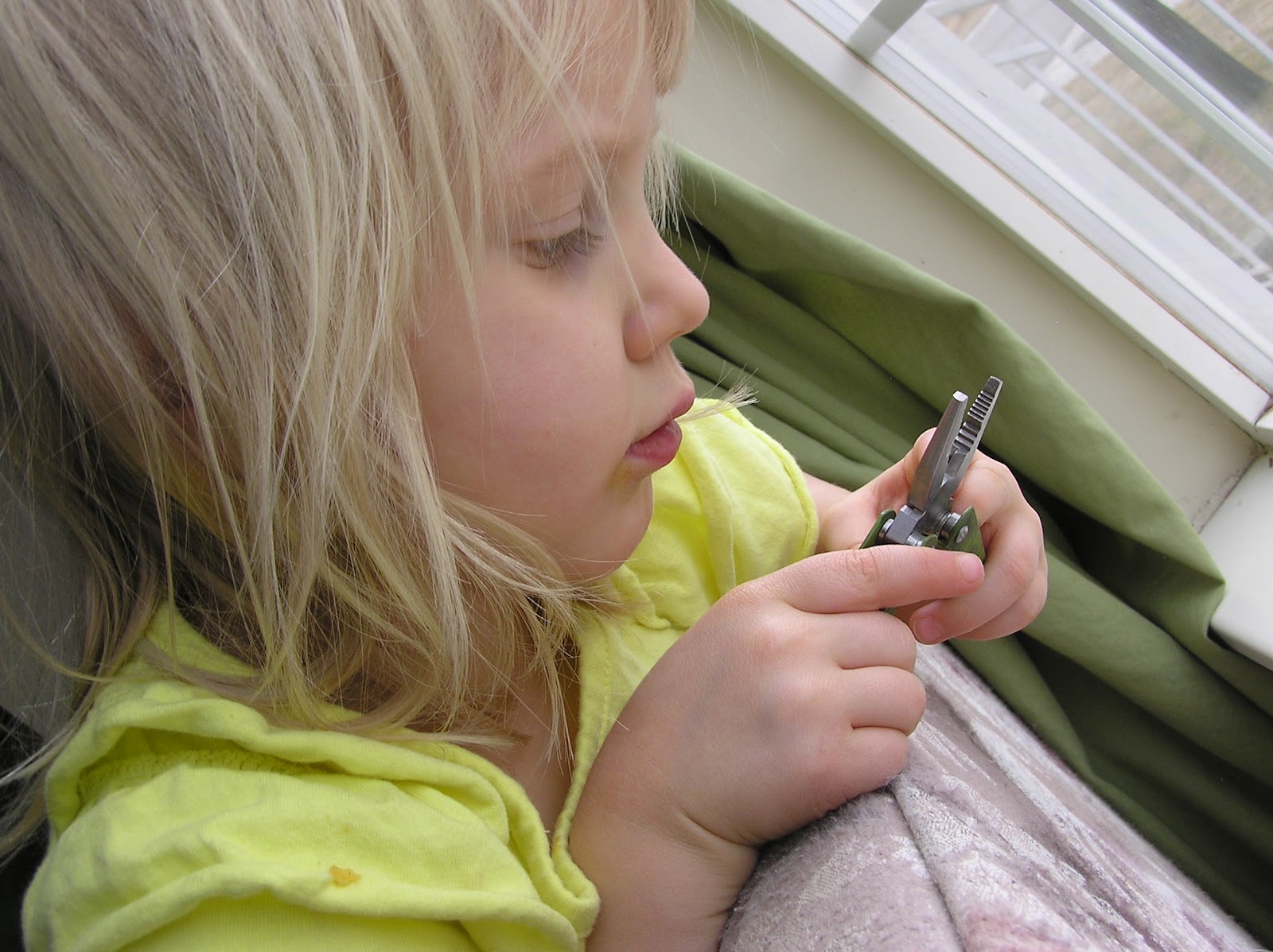
Our lives would NOT be the same without our little Mabel. She truly is a bundle of JOY in our lives. She gives and receives LOVE so freely. Her older brothers and sisters ADORE her! I am in awe almost daily at the BLISS and EXCITEMENT she brings to our lives daily. Truly a GIFT and a BLESSING in every way!

Below is a couple videos of us reading together a few weeks ago. My heart almost leaps out of my chest as I think about Mabel, her intuitive spirit and vibrant living. Thank God/Goddess that she joined our family!
In Peace,
Rachel




Preparation BEFORE Pregnancy-It Makes ALL The Difference
Preparation for pregnancy isn't really discussed much in our world. Unfortunately, its something that seems to be seen as even unnecessary. The fact that we aren't cleaning internal house and releasing unwanted and unneeded fears and phobias, does make a HUGE impact your fetus.
Your babies body, their tissues, bones, organs....etc....their WHOLE system is entirely made up by YOUR system and what is available to be passed onto your child. You pass onto your child the exact same weaknesses and strengths you carry in EVERY regard....physically, emotionally and psychologically. The physical weaknesses that we carry we hold in our DNA and that DNA imprint is what becomes instilled and implanted into your babies entire body and brain structure and make up.
How you are eating and how you are living...in EVERY way effect the creation of your future child. I promote a raw foods diet only because I've seen the changes its made in my life and in my pregnancies. My 1st three pregnancies I ate the standard American diet and found many problems from excessive weight gain to preeclampsia to severe edema and heart burn. For whatever reason, we took those things in the "normal" box for pregnancy and they are anything BUT normal. We've been accepting pregnancy fully as something it just is not!

We have passed along this completely false idea that pregnancy is no fun....its NEVER fun....and we're just grinning and bearing it. As women, we are just drudging along waiting for the day when we can finally get our baby out and be done with it.
The AMAZING women that I get the opportunity to work with don't seem to have ANY of these complaints. A perfect example is the my twin Mom who just recently delivered. Not ONCE did she come to a prenatal and complain of any physical discomforts that were just unbearable. I must admit I was surprised myself at how excellent she felt and how much energy she still had even days before delivery. Remember the day BEFORE she delivered, she was doing Bikram's Yoga.
When you choose to take full responsibility of your conception, pregnancy and birth, you tend to feel GREAT in your pregnancy! You find immense JOY in the sensations and feelings that come along with being pregnant. Plus, you have more energy, you look and feel gorgeous and abundant in every way possible AND you build a DEEP connection with their unborn child that is like none other. These are just a few examples of how different pregnancy and birth can be when your choice is to find BLISS throughout the WHOLE experience.
Now my clients don't have phenomenal pregnancies because of anything I do. The wonderful women I work with choose to take responsibility for themselves, their unborn child and the environment they are creating for both of them. Cleansing and rebuilding the body BEFORE pregnancy can make a big difference on how your feel DURING that pregnancy.
With my last 2 children, I think I finally got it right for me and what I was looking for in my pregnancies. Before each pregnancy, I cleansed in a variety of ways. I took herbs that work specifically with my reproductive organs to feed and nourish them and prepare them for a new arrival, along with purifying all my internal organs. I took herbs and ate specific foods to help balance my hormones so getting pregnant become a simple and easy task. The combination of cleansing and the use of herbs only increased my fertility.
 |
| img |
I also did many green smoothie or juice fasts to really open up my cells and help them release any and all toxicity that could be passed onto my baby. I start the cleansing process about 6+ months BEFORE we tried to get pregnant.
Once I felt done cleansing, I spent a good couple months or more rebuilding by eating LOTS of greens (which I currently still do) and getting my body nice and alkaline. Plus, getting lots of sea vegetables and high mineral plant based foods helped my body feel strong and deeply nourished.
My last pregnancy with Mabel was, by far, my BEST pregnancy. I had spent years cleansing and rebuilding and getting myself deeply prepared. Funny thing is....I wasn't trying to get pregnant. She was our "SURPRISE." A most WONDERFUL surprise! But because I had taken such good care of myself since my last son's arrival 6 years prior, that pregnancy contained the most FUN and EXCITING adventures, along with TRANQUIL and ECSTATIC experiences I've ever had.
Watch the videos below and let me know what you think. Feel free to comment with questions or email me personally if you'd like more details on my personal diet and cleansing regimes. The second video just shows personal experience with a raw food diet. Listen all the way to the end of the 2nd video because he discusses other aspects of pregnancy that are just as important as what you are eating.
I wholly believe a raw foods diet can be uplifting and very revitalizing during pregnancy. The benefits of raw foods are vast and even if your whole diet isn't all raw foods, incorporating more raw foods can change your pregnancy in dramatic ways.
I gotta give props to the Moms who are brave enough to come and work with me and ask me to be their midwife. It is not a small feat. I ask quite a bit of my Moms and the reason I do is because the MORE responsibility a women takes to care for herself and her unborn child, the better outcomes and thwarting of complications in pregnancy and birth.
I ask my Moms to consume, at least, 50% of their diet as raw foods. For many women during pregnancy, this can feel like climbing Mt. Everest. My personal experience and the experiences I've had with my pregnant friends and clients, only tells me the MORE raw foods you can eat, the better you'll feel, the better you'll look, the better pregnancy you'll have, the healthier you'll feel, the healthier and stronger your baby will be, the HAPPIER and JOYOUS overall the whole pregnancy and birth will be. I make you that promise!
I believe preparation for pregnancy is KEY to the creation of the type of pregnancy you are looking for. Health for you and health for baby can only come through eating HIGH nutrient foods, exercise and personal meditation. If I hadn't learned it for myself, I would of never believed pregnancy and birth could be a HIGH you never want to come down from!
Sometime in the next few days, I will post about the supplements I recommend before and during pregnancy. I only recommend the BEST! :)
In Peace,
Rachel
To Give You YOUR Placenta Or To Keep It-That Is the Question?
Holy COW, my friends! It has been a LONG time since I have posted. WOW! Summer is FLYING by. I promise I will be posting more often from now on. I just didn't realize how much FUN I was going to have this summer. :)
I think I've posted enough on my personal opinions on placenta encapsulation. If you have yet to read them, you can read more at my PLACENTA ENCAPSULATION page. The article below seems well enough. The BIG debate, I guess, over letting parents take their placenta from the hospital to home for encapsulation.
I must say something about this word "let." Now the word "let" implies that someone else has control or authority over you or your person and has the ability to make decisions for you by "letting" you have or do something.
The word "let" reminds me of my kids. Will I "let" them do something or will I not? I think the saddest part about the word "let" is YOUR personal POWER is extended to someone else and you are told how you can or can't be and what decisions you can or can't follow through with.
Its strange to me. Really, really strange. That in ANY WAY we'd let ANY ONE tell us what we can or can't do....tell us what we can or can't have....in regards to our pregnancy, labor, birth and postpartum care. Because in MY world its MY baby and MY body! Nothing more....nothing less.
 |
| img |
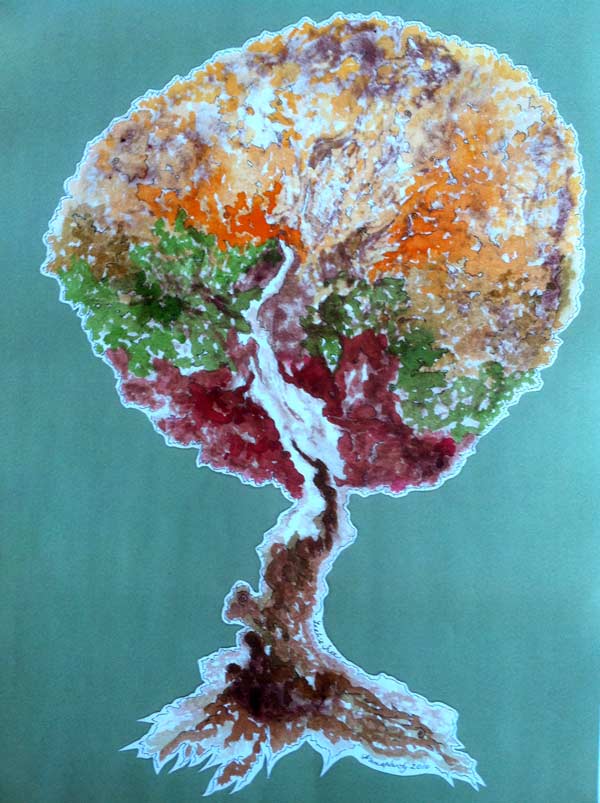
So, I'm not quite sure why Mama's and Daddy's aren't saying VERY kindly and with the respect to their medical care provider...."We've just had our baby and we're going home now AND we're going to go ahead and take our placenta." You know, that thing....that was attached to Mom and baby for 9 months and is literally made FROM the tissues of the mother which ULTIMATELY and in EVERY way makes it HERS.
Please tell me if I'm just UP in then night here. But its strange to me we'd just "let" someone tell us whether we can or can't take home our own body tissue. I see no difference between you taking your placenta home and you taking your baby home. Both are COVERED in bacteria and could potentially carry disease and pass it onto you AND both came out of YOUR body and are CREATED by YOU! Which in reality really means they are BOTH a non threat on your health. IMO!
Anyway....this article stimulated some emotions within me. I'm just kind of sick of all the bull CRAP that is pulled on Moms, babies and families. The lies and myths that are spread that men and women, inevitably, believe.
A few weeks ago, I went to Seven Peaks, a local water park here in our area. Upon arriving, I noticed at the entrance 3 security guards searching people's bags BEFORE they entered the park. I was AGHAST! Seriously SHOCKED! All of a sudden I felt like I was at the airport. And let me tell you... I HATE the airport. You might as well just strip me down and search me with the amount of my personal privacy and freedom that is taken away.
The whole experience ended up being pretty traumatic for me. I proceeded to hassle the security guard about searching my purse. He told me we couldn't bring food into the park so we took the food back to our car. When we arrived back at the entrance, the security guard told me he had to search my bag again because I walked about. I proceeded to tell him he'd better search hard because I had stashed a gun in my purse when I went back out to my car. Ya, to say the least, he wasn't happy with that reply.
I was then shown to another security guard who requested I don't make threats about guns. I said to him..."What your doing is a TOTAL invasion of privacy?" He went on to tell me that NO ONE liked it and it was a MUST if I wanted to enter the park. I realized later that the ONLY reason they were even searching people's bags was to make sure they didn't have food. RIDICULOUS!!!
But truthfully, the saddest part about the WHOLE experience was all the people, lined up in droves, to get their bags searched. NO ONE but ME said anything about their bags being searched. Dozens of grown adult men and women consenting to "let" someone search their bags all in the name of not making a mess they don't want to hire someone to clean up in their park.
This experience reminds me of the placenta removal debate. I mean at what point do couples just stand up and say..."Hey thanks for the help with our birth but we're going home now AND we're taking our placenta." Seriously people! It scares me with where our world is at, that we've convinced ourselves that someone else has THAT much control over us. CRAZY!
Ok, I'm done ranting now. Read the article below and let me know what you think. I sure wish that, at some time in the VERY near future, Moms and Dads will take back their responsibility in pregnancy and birth and be clear with their care providers about what they want and why they want it. And the their care provider will HEAR the need and respond in kindness and understanding.
Placenta encapsulation can be a REAL need for some women who have found relief from postpartum depression or even needed an increase in breast milk. To have someone else dictate or decide the parameters around how, when and where you can deal with your placenta, seems just wrong in pretty much every way to me. But who am I? Just a no body who feels passionate about babies and personal growth and empowerment for families.
In Peace,
Rachel
Oh, BTW....if you don't have to even have to deal with a hospital or whether or not you can keep your placenta, go ahead and choose a HOME BIRTH! Your placenta will be given to you....no questions asked!
P.S. If there is anyone out there who'd like to put together a petition with me for Seven Peaks in regards to their bag searching policy, I would LOVE your help. Truth be told, if they don't change their policy, I will not be taking my family there again. That's how strongly I feel about their IDIOTIC policy!
_________________________________________________________________
Debate over placenta rules continues to grow
Some moms want the tissue; some hospitals’ policies force delay.
By Peggy O’Farrell, Staff Writer 12:16 AM Sunday, June 24, 2012
A policy instituted earlier this year at Miami Valley Hospital’s Berry Birthing Center requires families to wait 72 hours before they can take home the placenta from babies born at the center.
Mothers and some health practitioners say the new policy denies women access to their own and their babies’ body parts. Some women use the placenta in cultural practices or for dietary supplements.
“It belongs to the moms, and the hospital doesn’t have any right to keep it,” said Denise Easthon, a Dayton nurse-midwife and doula, or birthing coach. “It’s the moms’, and they should be able to walk out of the hospital with it.”
Hospital officials say the waiting period is necessary in case pathologists need to conduct tests on the tissue to answer questions about the babies’ or mothers’ health. The new policy was implemented at the request of the hospital’s pathology department, said Beth Tabor-Cruea, nurse manager of the Family Beginnings program and the birthing center.
The debate over whether mothers are entitled to the tissue is becoming more common nationally as more women utilize placenta encapsulation, the practice of making supplements from placental tissue.
The placenta connects the developing fetus to its mother’s uterine wall and allows it to receive nutrients, breathe and eliminate waste via the mother’s blood supply.
Placental tissue is rich in hormones and other substances believed to alleviate postpartum depression, bleeding, fatigue and mood imbalances. Some women choose to have the tissue dehydrated and made into capsules or tinctures, which they ingest.
On average, about 30 babies a month are delivered through the birthing center. Families request the placenta “about once or twice a week,” Tabor-Cruea said.
“We’ve always had a few requests for it, like one or two a year,” she said. “But in the last year, we’ve seen an increase in patients requesting to take their placentas home for various reasons.”
Jessica Blizzard will deliver her third child in November at Miami Valley’s birthing center. Blizzard, who lives in Riverside, asked for the placenta after her second child’s birth last year and was given it immediately. She had planned to have it encapsulated, though ultimately, she didn’t.
This time, she worries the new policy will prevent her from having capsules made: Most sources recommend having them made within 48 hours of delivery. “It wasn’t an issue before with my second child. But now it is an issue. I don’t understand it,” Blizzard said.
Nancy Thickel, a spokeswoman for Miami Valley Hospital, said the pathology department will freeze the placenta if families request it, and the tissue should still be usable for encapsulation.
There’s another change Blizzard doesn’t like: Hospital staffers want to know why families want the placenta. She doesn’t think it’s anyone’s business.
But the placenta, like any tissue, could breed bacteria if it isn’t handled properly, said Tabor-Cruea, and the hospital’s legal department requires them to ask how they plan to use it. “The legal department has drafted a consent form for families since we’re allowing human tissue to leave the hospital,” she said. “Part of the process is asking how they plan to use it.”
Kettering Health Network doesn’t have a policy on giving families the placenta, though it has policies on how the tissue is handled and stored if it has to go to pathology for testing, said Miriam Cartmell, administrative director of women’s and children’s services at Kettering Medical Center.
“It’s not addressed one way or another,” she said. “It’s been about 20 years since I had somebody ask for it, so it’s not common. I believe we would work with the patient if they wanted it, unless the lab needed it. The clinical request would override the family’s request, or maybe we could return it to the patient after the testing.”
Catholic Health Partners’ policy would be to give the placenta to families on request, said Mike Boehmer, a spokesman for the network, but no one’s ever made the request.
While states regulate disposal of medical waste, few have laws addressing if families are entitled to healthy placental tissue for use in cultural ceremonies or for encapsulation, said Pamela Laufer-Ukeles, an associate professor at the University of Dayton’s School of Law.
Ohio law doesn’t address the issue, she said. Indiana prohibits hospitals from giving families the tissue, but Hawaii allows it once the tissue is examined for signs of disease or defect.
New York recently changed its law; until 2010, placental tissue was treated as human remains and had to be retrieved from hospitals by a funeral director, who then gave it to families. Now, hospitals can give healthy placenta tissue directly to families.
But some families still have to fight for it, said Grace Rice, program manager for Choices in Childbirth in New York City. “It’s kind of on a hospital-by-hospital basis, and even within hospitals, it depends on who your doctor is, who your nurse is, who your midwife is,” she said.
Much of the debate centers on whether individuals have property rights to their own organs and tissues, Laufer-Ukeles said. It’s a gray area, she said. In 1990, a California court ruled that a patient who sued a hospital for the return of cancerous tissue had no property interest in the tissue, which was used for research.
“But on the other hand, you do have property interests in some body parts,” she said. “Sperm and eggs can be sold. Blood and other organs can be donated. We do think of our bodies as belonging to us.”
Families routinely ask for their babies’ cord blood to be banked, she pointed out.
And if placental tissue is considered human remains, families have a right to those remains, she said.
Contact this reporter at (937) 225-7457 or peggy.o’farrell@ coxinc.com.
You CAN Help!
I just found this website and they need your help. ONE WORLD BIRTH is doing a documentary on Agnes Gereb with the hopes the word gets out of her predicament. Each of us can do our part of help spread the information that freedom of birth is a MUST for a happy, peaceful society of people.
Watch the video below and then head over to the ONE WORLD BIRTH website to learn how YOU can help. If we all do our part.....we can truly change our world....One donation at a time.
In Peace,
Rachel
For The LOVE Of Agnes Gereb
My dear followers, (which are few but I LOVE you all)
I'm so sorry I haven't been posting this week. I come from a HUMONGOUS family with 17 brothers and sisters and many of them have come to stay in my home this week to celebrate a niece's marriage. I apologize for my lack of posts and will get back on track posting more often next week.
Also, I tend to stay away from my computer on the weekends and focus on family time so all the posts I make will be made during the week. Thank you for reading what I share and taking the time to pass it along. I LOVE the opportunity to support those who are looking to understand the importance of a women's childbearing years and how to make the MOST out of them and enjoy every minute!
Below is a video showing some of what took place at the "Human Rights in Childbirth" Conference in Hague. There was a very BIG deal this year with so many changes striving to be implemented in the world of birth.
My FAVORITE part of the video is the support, love and empathy that is shown for our DEAR Hungarian midwife, Agnes Gereb, who has been prosecuted and charged with negligent malpractice. And on February 2012, Agnes received a 2 year minimum prison security sentence without possibility of parole.
 |
| img |
The first video below shows Agnes in her work as a midwife helping and embracing mothers in their most intimate and vulnerable moments. How sad someone who strives so hard to make a difference in the lives of families has been torn apart and treated in such a poor and abusive manner. But HOW WONDERFUL to have such POWERFUL, STRONG, and FIRM in her beliefs women as Agnes to show the way for the rest of us on how important it is to STAND UP for ourselves and our beliefs! And that when we do stand up for what TRULY matters in our world, we make a difference for the WHOLE of humanity.... which what Agnes is doing for ALL of us. She truly sacrificed so much to do what she has done for 1000's of women. What a GIFT! I pray she is honored for that for the rest of her life.
 |
| img |
It is EXTREMELY unfortunate the struggle and pain Agnes has had to deal with ALL in the name of doing her job BEAUTIFULLY and aiding others in the birth creation they are longing for. My heart breaks for Agnes and her circumstances and ask that ALL of us send prayers, love and even letters/emails her way so she can feel the support and compassion she needs to get through such an OVERWHELMING ordeal.
I will be back next week. Hope everyone has an OUTSTANDING weekend! I plan on it!
In Peace,
Rachel
The Power of Creation Through Plant & Human Pollination
My Dad sent me the first video below and I fell in LOVE with it. I sat watching in AWE at the power of creation and its ability to spread itself in every way among every living thing. After watching the 1st video below, I decided I wanted to find a COOL video showing the pollination that takes place with humans and how we forward the creation of our species.
Both forms of creation whether through conception or pollination are PHENOMENAL feats... that give us each a sense of oneness and awareness with the world around us. Creation, whether its a new life or a new song or a new poem, instills in each of us a sense of reverence of the mysterious....the unknown.
Creation is a process that, I believe, can and will never be fully understood. We may know volumes about the creation of human life but the information we are currently holding is merely a drop in the bucket of what is really taking place. In our world of constant guarantees, creation brings with it....when we want to see its affects in our lives, the eyes of a child and a sense of faith that can feel hard to hold on to.
Creation teaches us that there truly is something VASTLY greater than the rest of us. That there is a DIVINE something, call it what name you want it give it, that defines itself into EVERY THING on our planet. Creation imbues our hearts and souls with a true sense of expansion and enlightenment. Creation brings with it a level of JOY and BLISS that can be found in no other endeavor. Creation is WHAT we are. Creation created us. What a POWERFUL gift creation is!
As each of you ponder, relax and enjoy your weekend break, I hope that you'll take time to be outdoors and connect with Creation, Mother Earth and God. Also, connect with Creation by taking more time to spend with your children....your FINEST creations yet. To connect with your spouse, partner, soul mate...etc. To open yourself to feeling a grand sense of ONENESS with all other living things around you. So as.... To connect, to play, to LOVE!
I pray each and every one of our hearts will be opened to the gift Creation brings and strive for a deeper understanding and connection within ourselves and with each other. When we truly gain a longing for the mysterious and desire to live in it, creation manifests in ways beyond our comprehension. When each and every baby is born, the world will never be the same place again. Now that's the POWER of Creation.
In Peace,
Rachel
P.S. As you watch the first video, watch around 2:40 for the infant bat clinging tightly to its mother while its mother is helping to pollinate and pass new plant life to beautify our world. Its BREATHTAKING... Also....
P.P.S. As you watch the second video, watch around 3:30 as the sperm releases its tail and cell growth begins. I find it fascinating that the sperm vigorously searches for the egg and once its found....it releases its tail and surrenders to the experience. I can't think of a better way to define ANY creation in a lives than with this analogy. To create is to work vigorously in deciding what your wanting and needing to create, then once the answers come....to sit back and surrender to the experience letting the universe put it all together for you.
We Are All Midwives

Co Sleeping:The FACTS & The Benefits
I have a friend who asked me to post my experiences and opinions on co sleeping. We have co slept with ALL of our children. Granted, with our first pregnancy, we did what most first time parents do and set up the crib (which I sewed all the blankets, bumpers, pillows, and valances) and bedroom for our baby to sleep in after delivery. But our plan was, most definitely, thwarted and the LOVE we felt for our newest arrival.
I distinctly remember looking down at this brand new tiny being and realizing there was NO WAY IN HELL he was ever going to leave my site. Whether it was during the day or night. I was TOTALLY and COMPLETELY in LOVE in every possible way. I was not about to disconnect myself, in any way, from this vulnerable life whom I intuitively knew, needed my presence ALL THE TIME. Especially during the night!
Once we made the conscious decision that, YES....we were one of those freaky parents who let their kids sleep in their bed, we enjoyed absolutely EVERY minute of it. In fact, we would NEVER want it any other way again. Even my husband adores sleeping with our little ones. My sister recently told me of how they when moved their daughter out of their bed and into a play pen, still in their room next to their bed, and her sweet husband was choked up about seeing their daughter leave their bed. So Loving!
So let me tell you how co sleeping has worked in our home. Now when we started co sleeping, it was 16 years ago. People have become MUCH more understanding of co sleeping and its benefits. It was really hard for my Mom to understand since her and my father had made an agreement that NO kids were to enter the bedroom which meant that the concept of co sleeping was VERY new to my husband and I.
I had done enough research to actually purchase a guard rail to place on my side of the bed. The first few nights after Dean's birth, we placed Dean between Chris and I. When I first started reading about co sleeping, the fear of rolling over on your baby was combated with the argument that you learn to not roll off the bed. Its instinctual. Not rolling over on your baby is also INSTINCTUAL! Very instinctual for women but I've learned to believe not so instinctual for men.
After a few nights of placing Dean between Chris and I, one night I awoke abruptly only to sit up and see Chris in the beginning processes of rolling over onto Dean. I hurried and pushed him back to how he was laying and gathered up Dean. I moved Dean over to the other side of me, between me and the guard rail, and never again did one of our babies spend the whole night between Chris and I in bed. It was a WONDERFUL learning experience for me.
I think co sleeping had so many WONDERFUL advantages that any disadvantage just doesn't measure up. But, I do think there is a SAFER way to co sleep and that is with the use of a guard rail or even Arms Reach Co Sleeper which I had heard LOTS of good things about though I've never tried myself.
 |
| img |
When we started having children, we slept in a full bed. Yes, it was quite tight for the 3 of us but I would NEVER take back the time spent in bed with my dear, sweet husband and my newest tiny addition. I have so many memories of cuddling, bonding and connecting with each baby while Chris and I laid in AWE of our most RADIANT creation.
When using a guard rail, I believe purchasing a rail that folds and bends is the easiest to use. If you notice on the picture below, the rail fits behind the bed frame and sits snug against the bed. Also, the hinges on the bottom corners of the rail, you'll see that you can actually lift and fold the rail back to make it easier to pick baby up. This is similar, if not exact, to the types of rails we used with all 5 of our kids. You can purchase more high tech ones like the Safety 1st Secure Lock Bed rail.
 |
| img |
I see night time parenting being JUST as important as daytime parenting. We want to live in this nice prepackaged world where our babies come fully equipped to sleep all night every night. I see this as a beautiful ideal but truthfully not reality. Unfortunately, babies/newborns sleep patterns tend to be the opposite of ours. They like to be nice and sleepy ALL day long and then wide eyed and bushy tailed when your ABSOLUTELY exhausted.
This is where co sleeping fits right in AMAZINGLY! I was always surprised at the women who thought I was just CRAZY because I slept with my babies. I gotta be honest here, I think women who are willing to fully wake themselves up, put on a robe or excess clothing, proceed to walk into a WHOLE other room and the sit down FULLY awake to breast feed your newborn for the half an hour and hour that it takes is CRAZY, but that's just my opinion! But Seriously....Who wants to do that? Mind you, I think you are courageous, strong women but doing that is not my idea of making sure my baby and I get the BEST nights sleep possible. That's my GOAL in our home.
Not only does co sleeping afford you the opportunity to bond 24/7 with the new life in your family, it gifts you the ability to stay close to baby. I know, as mothers and women, we are constantly concerned for the well being of our families, co sleeping...for us...meant I felt safer knowing I was watching and staying as close to my baby as possible.
There has been so EXCITING new research into the world of SIDS and co sleeping. I do agree that co sleeping could prevent SIDS just because of the mere approximation you have to your baby. Your ability to watch sleep patterns and keep close to your baby. I do believe though that its the touching, cuddling and closeness that actually keeps babies nervous system and body functions going, as Moms body helps to keep babies body regulated.
For those who are wondering how long our babies sleep in our beds and when we finally move them out...the answer is....when THEY are ready. We haven't had a child yet who wants to stay in our bed longer than 3 years. And their usually already half moved into their siblings rooms BEFORE their 3rd birthday. But we just don't make a big deal out of it.
In our home, what happens is the older kids WANT to sleep with their younger brother and sister. I have decided that sleeping together creates a tight knit bond between you and those you touch, lay by and take comfort with during the night. I have seen it with me and my children and my children with each other.
Once our children start talking about wanting to be a 'BIG' kid and sleep with an older sibling, we start gently making space for them to do so. With Dean, our oldest, we tried moving him out at only a year old. After he lunged his whole body off the top of his crib and actually caused himself physical pain not to be separated from us, we knew he wasn't ready. Instead, we went ahead and moved his crib mattress onto our floor. We moved our own bed mattress onto the floor and we created a NICE, LARGE family bed. We ALL LOVED it!
Our first 2 boys stay in that bed until they were ready to stay in their own room next to ours. That happened when Golden, our youngest at the time who was about 2, decided it was time and they were big boys and they wanted their own room with their own bed. It was a MOMENTOUS moment in our home. I will NEVER forget it. I cried. But was HAPPY that they were growing up.
We've found moving our younger children into the rooms of our older children, when they felt ready, was the easiest and best format for us. Our kids are EXCITED about being one of the big kids and the older kids have been waiting for their littlest sibling to share a bedroom with. Its seems to have worked our perfectly each and every time we've left the decision making up to them INSTEAD of us. THEY know when they feel safe enough in their world to leave the "bedroom nest."
I will let the articles I've posted below speak for the rest of the WONDERFULNESS of co sleeping. It is something that I would NEVER change or do it differently. My sleep and the sleep and safety of my baby were of utmost importance to me. These were really the only reasons I started co sleeping. It wasn't until I tried it for myself that I saw ALL the other AWESOME benefits!
I do believe that because of co sleeping and night time parenting, me, my husband and our children have a deeper, more enriched connection that we might not have without sharing a bed. I see co sleeping as an avenue to truly understanding your baby, yourself and life as a new parent. Nighttime parenting affords opportunities for quiet growth for all parties involved and in my world,.....connection, comfort, trust, peace and LOVE rank highest on the list.
In Peace,
Rachel
___________________________________________________________
Scientific Benefits of Co-Sleeping

Popular media has tried to discourage parents from sharing sleep with their babies, calling this worldwide practice unsafe. Medical science, however, doesn’t back this conclusion. In fact, research shows that co-sleeping is actually safer than sleeping alone. Here is what science says about sleeping with your baby:
Research shows that co-sleeping infants virtually never startle during sleep and rarely cry during the night, compared to solo sleepers who startle repeatedly throughout the night and spend 4 times the number of minutes crying 1. Startling and crying releases adrenaline, which increases heart rate and blood pressure, interferes with restful sleep and leads to long term sleep anxiety.
Stable physiology
Studies show that infants who sleep near to parents have more stable temperatures 2, regular heart rhythms, and fewer long pauses in breathing compared to babies who sleep alone 3. This means baby sleeps physiologically safer.
Decreases risk of Sudden Infant Death Syndrome
Worldwide research shows that the SIDS rate is lowest (and even unheard of) in countries where co-sleeping is the norm, rather than the exception 4, 5, 6, 7, 8, 9. Babies who sleep either in or next to their parents’ bed have a fourfold decrease in the chance of SIDS 10. Co-sleeping babies actually spend more time sleeping on their back or side 1 which decreases the risk of SIDS. Further research shows that the carbon dioxide exhaled by a parent actually works to stimulate baby’s breathing 11.
Long term emotional health
Co-sleeping babies grow up with a higher self-esteem, less anxiety, become independent sooner, are better behaved in school 12, and are more comfortable with affection 13. They also have less psychiatric problems 14.
Safer than crib sleeping
The Consumer Product Safety Commission published data that described infant fatalities in adult beds. These same data, however, showed more than 3 times as many crib related infant fatalities compared to adult bed accidents 15. Another recent large study concluded that bed sharing did NOT increase the risk of SIDS, unless the mom was a smoker or abused alcohol 16.
- McKenna, J., et al, "Experimental studies of infant-parent co-sleeping: Mutual physiological and behavioral influences and their relevance to SIDS (sudden infant death syndrome)." Early Human Development 38 (1994)187-201.
- C. Richard et al., “Sleeping Position, Orientation, and Proximity in Bedsharing Infants and Mothers,” Sleep 19 (1996): 667-684.
- Touch in Early Development, T. Field, ed. (Mahway, New Jersey: Lawrence Earlbaum and Assoc., 1995).
- “SIDS Global Task Force Child Care Study” E.A.S. Nelson et al., Early Human Development 62 (2001): 43-55
- A. H. Sankaran et al., “Sudden Infant Death Syndrome and Infant Care Practices in Saskatchewan, Canada,” Program and Abstracts, Sixth SIDS International Conference, Auckland, New Zealand, February 8-11, 2000.
- D. P. Davies, “Cot Death In Hong Kong: A Rare Problem?” The Lancet 2 (1985): 1346-1348.
- N. P. Lee et al., “Sudden Infant Death Syndrome in Hong Kong: Confirmation of Low Incidence,” British Medical Journal 298 (1999): 72.
- S. Fukai and F. Hiroshi, “1999 Annual Report, Japan SIDS Family Association,” Sixth SIDS International Conference, Auckland, New Zealand, 2000.
- E. A. S. Nelson et al., “International Child Care Practice Study: Infant Sleeping Environment,” Early Human Development 62 (2001): 43-55.
- P. S. Blair, P. J. Fleming, D. Bensley, et al., “Where Should Babies Sleep – Along or With Parents? Factors Influencing the Risk Of SIDS in the CESDI Study,” British Medical Journal 319 (1999): 1457-1462.
- SIDS book, page 227, #162
- P. Heron, “Non-Reactive Cosleeping and Child Behavior: Getting a Good Night’s Sleep All Night, Every Night,” Master’s thesis, Department of Psychology, University of Bristol, 1994.
- M. Crawford, “Parenting Practices in the Basque Country: Implications of Infant and Childhood Sleeping Location for Personality Development” Ethos 22, no 1 (1994): 42-82.
- J. F. Forbes et al., “The Cosleeping Habits of Military Children,” Military Medicine 157 (1992): 196-200.
- D. A. Drago and A. L. Dannenberg, “Infant Mechanical Suffocation Deaths in the United States, 1980-1997,” Pediatrics 103, no. 5 (1999): e59.
- R. G. Carpenter et al., “Sudden Unexplained Infant Death in 20 Regions in Europe: Case Control Study,” Lancet 2004; 363: 185-191.
| Cosleeping by Tami E. Breazeale |
|
|
|
|
Dr. Sears Addresses Recent Co-Sleeping Concerns
Since I’m a show-me-the-science doctor, consider the following:
- Cultures who traditionally practice safe co-sleeping, such as Asians, enjoy the lowest incidence of Sudden Infant Death Syndrome (SIDS).
- Trusted research by Dr. James McKenna, Director of the Mother-Baby Sleep Laboratory of the University of Notre Dame, showed that mothers and babies who sleep close to each other enjoy similar protective sleep patterns. Mothers enjoy a heightened awareness of their baby’s presence, what I call a “nighttime sleep harmony,” that protects baby. The co-sleeping mother is more aware if her baby’s well-being is in danger.
- Babies who sleep close to their mothers enjoy “protective arousal,” a state of sleep that enables them to more easily awaken if their health is in danger, such as breathing difficulties.
- Co-sleeping makes breastfeeding easier, which provides many health benefits for mother and baby.
- More infant deaths occur in unsafe cribs than in parents' bed.
- Co-sleeping tragedies that have occurred have nearly always been associated with dangerous practices, such as unsafe beds, or parents under the influence of substances that dampen their awareness of baby.
- Research shows that co-sleeping infants cry less during the night, compared to solo sleepers who startle repeatedly throughout the night and spend 4 times the number of minutes crying. Startling and crying releases adrenaline, which can interfere with restful sleep and leads to long term sleep anxiety.
- Infants who sleep near to parents have more stable temperatures, regular heart rhythms, and fewer long pauses in breathing compared to babies who sleep alone. This means baby sleeps physiologically safer.
- A recent large study concluded that bed sharing did NOT increase the risk of SIDS, unless the mom was a smoker or abused alcohol.
See this article for all the research references supporting the above statements.
Parents often ask me, “Where should my baby sleep?” I respond, “Wherever you and your baby enjoy the best night’s sleep.” For most parents, this will be sleeping close enough to enjoy easy access to their baby for feeding and comforting.
For safe co-sleeping:
- We recommend using a bassinet that attaches safely and securely to parents’ bed, which allows both mother and baby to have their own sleeping space, while baby still enjoys sleeping close to mommy for easier feeding and comforting.
- If bed-sharing, practice these safe precautions:
- Place babies to sleep on their backs.
- Be sure there are no crevices between the mattress and guardrail or headboard that allows baby’s head to sink into.
- Do not allow anyone but mother to sleep next to the baby, since only mothers have that protective awareness of baby. Place baby between mother and a guardrail, not between mother and father. Father should sleep on the other side of mother.
- Don’t fall asleep with baby on a cushy surface, such as a beanbag, couch, or wavy waterbed.
- Don’t bed-share if you smoke or are under the influence of drugs, alcohol, or medications that affect your sleep.
We have enjoyed sleeping close to our own babies. I have promoted safe co-sleeping in our pediatric practice for nearly 40 years and have witnessed only positive outcomes, such as: babies sleep and grow better; promotes better bonding; breastfeeding is easier; and infants grow up with a healthy sleep attitude, regarding sleep as a pleasant state to enter and a fearless state to remain in.
Finally, I would like to clarify some nighttime parenting terms: “Co-sleeping” means sleeping close enough to baby for easy comforting, such as in a bedside cosleeper. “Bed-sharing” means mother and baby sleep side-by-side in an adult bed. If bed-sharing makes you uncomfortable in any way, I recommend the use of an Arm’s Reach Co-sleeper® Bassinet so you can continue to co-sleep confidently.
Because I highly value safe sleeping arrangements, I have thoroughly researched this subject. If you wish to read my research references that go into co-sleeping and bed-sharing in scientific detail, as well as more practical and safe nighttime parenting practices, consult the following:
Scientific Benefits of Co-Sleeping
Safe Co-sleeping Habits
7 Benefits of Sleeping Close to Your Baby
Co-Sleeping: Yes, No, Sometimes?
As well as our books, which can be ordered here:
The Baby Sleep Book, by William Sears, Martha Sears, James Sears, and Robert Sears, Little Brown, 2005
The Baby Book: Everything You Need to Know About Your Baby From Birth to Age Two, William Sears, Martha Sears, James Sears, Robert Sears, Little Brown, 2003.
SIDS: A Parent’s Guide to Understanding and Preventing Sudden Infant Death Syndrome, William Sears, Little Brown, 1995.
From our family to your family, we wish you a safe and comfortable night’s sleep!
Dr. Bill and Martha Sears

SIDS: The Latest Research on How Sleeping With Your Baby is Safe
The conclusion that the researchers drew from this study was that sleeping with an infant in an adult bed is dangerous and should never be done. This sounds like a reasonable conclusion, until you consider the epidemic of SIDS as a whole. During the 8-year period of this study, about 34,000 total cases of SIDS occurred in the U.S. (around 4250 per year). If 65 cases of non-SIDS accidental death occurred each year in a bed, and about 4250 cases of actual SIDS occurred overall each year, then the number of accidental deaths in an adult bed is only 1.5% of the total cases of SIDS.
There are two pieces of critical data that are missing that would allow us to determine the risk of SIDS or any cause of death in a bed versus a crib.
- How many cases of actual SIDS occur in an adult bed versus in a crib?
- How many babies sleep with their parents in the U.S., and how many sleep in cribs?
The data on the first question is available, but has anyone examined it? In fact, one independent researcher examined the CPSC's data and came to the opposite conclusion than did the CPSC - this data supports the conclusion that sleeping with your baby is actually SAFER than not sleeping with your baby (see Mothering Magazine Sept/Oct 2002).
As for the second question, many people may think that very few babies sleep with their parents, but we shouldn't be too quick to assume this. The number of parents that bring their babies into their bed at 4 am is probably quite high. Some studies have shown that over half of parents bring their baby into bed with them at least part of the night. And the number that sleep with their infants the whole night is probably considerable as well. In fact, in most countries around the world sleeping with your baby is the norm, not the exception. And what is the incidence of SIDS in these countries?
During the 1990s, in Japan the rate was only one tenth of the U.S. rate, and in Hong Kong, it was only 3% of the U.S. rate. These are just two examples. Some countries do have a higher rate of SIDS, depending on how SIDS is defined.
Until a legitimate survey is done to determine how many babies sleep with their parents, and this is factored into the rate of SIDS in a bed versus a crib, it is unwarranted to state that sleeping in a crib is safer than a bed.
If the incidence of SIDS is dramatically higher in crib versus a parent's bed, and because the cases of accidental smothering and entrapment are only 1.5% of the total SIDS cases, then sleeping with a baby in your bed would be far safer than putting baby in a crib.
The answer is not to tell parents they shouldn't sleep with their baby, but rather to educate them on how to sleep with their infants safely.
Now the U.S. Consumer Product Safety Commission and the Juvenile Products Manufacturer's Association are launching a campaign based on research data from 1999, 2000, and 2001. During these three years, there have been 180 cases of non-SIDS accidental deaths occurring in an adult bed. Again, that's around 60 per year, similar to statistics from 1990 to 1997. How many total cases of SIDS have occurred during these 3 years? Around 2600 per year. This decline from the previous decade is thought to be due to the "back to sleep" campaign - educating parents to place their babies on their back to sleep. So looking at the past three years, the number of non-SIDS accidental deaths is only 2% of the total cases of SIDS.
A conflict of interest?
Who is behind this new national campaign to warn parents not to sleep with their babies? In addition to the USCPSC, the Juvenile Products Manufacturers Association (JPMA) is co-sponsoring this campaign. The JPMA? An association of crib manufacturers. This is a huge conflict of interest. Actually, this campaign is exactly in the interest of the JPMA.
What does the research say? The September/October 2002 issue of Mothering Magazine presents research done throughout the whole world on the issue of safe sleep. Numerous studies are presented by experts of excellent reputation. And what is the magazine's conclusion based on all this research? That not only is sleeping with your baby safe, but it is actually much safer than having your baby sleep in a crib. Research shows that infants who sleep in a crib are twice as likely to suffer a sleep related fatality (including SIDS) than infants who sleep in bed with their parents.
Education on safe sleep. I do support the USCPSC's efforts to research sleep safety and to decrease the incidence of SIDS, but I feel they should go about it differently. Instead of launching a national campaign to discourage parents from sleeping with their infants, the U.S. Consumer Product Safety Commission should educate parents on how to sleep safely with their infants if they choose to do so.
Here are some ways to educate parents on how to sleep safely with their baby:
- Use an Arm's Reach® Co-Sleeper® Bassinet. An alternative to
 sleeping with baby in your bed is the Arm's Reach® Co-Sleeper®. This crib-like bed fits safely and snuggly adjacent to parent's bed. The co-sleeper® arrangement gives parents and baby their own separate sleeping spaces yet, keeps baby within arm's reach for easy nighttime care. To learn more about the Arm's Reach® Co-Sleeper® Bassinet visit www.armsreach.com.
 - Take precautions to prevent baby from rolling out of bed, even though it is unlikely when baby is sleeping next to mother. Like heat-seeking missiles, babies automatically gravitate toward a warm body. Yet, to be safe, place baby between mother and a guardrail or push the mattress flush against the wall and position baby between mother and the wall. Guardrails enclosed with plastic mesh are safer than those with slats, which can entrap baby's limbs or head. Be sure the guardrail is flush against the mattress so there is no crevice that baby could sink into.
- Place baby adjacent to mother, rather than between mother and father. Mothers we have interviewed on the subject of sharing sleep feel they are so physically and mentally aware of their baby's presence even while sleeping, that it's extremely unlikely they would roll over onto their baby. Some fathers, on the other hand, may not enjoy the same sensitivity of baby's presence while asleep; so it is possible they might roll over on or throw out an arm onto baby. After a few months of sleep-sharing, most dads seem to develop a keen awareness of their baby's presence.
- Place baby to sleep on his back.
- Use a large bed, preferably a queen-size or king-size. A king-size bed may wind up being your most useful piece of "baby furniture." If you only have a cozy double bed, use the money that you would ordinarily spend on a fancy crib and other less necessary baby furniture and treat yourselves to a safe and comfortable king-size bed.
- Some parents and babies sleep better if baby is still in touching and hearing distance, but not in the same bed. For them, a bedside co-sleeper is a safe option.
Here are some things to avoid:
- Do not sleep with your baby if:
- You are under the influence of any drug (such as alcohol or tranquilizing medications) that diminishes your sensitivity to your baby's presence. If you are drunk or drugged, these chemicals lessen your arousability from sleep.
- You are extremely obese. Obesity itself may cause sleep apnea in the mother, in addition to the smothering danger of pendulous breasts and large fat rolls.
- You are exhausted from sleep deprivation. This lessens your awareness of your baby and your arousability from sleep.
- You are breastfeeding a baby on a cushiony surface, such as a waterbed or couch. An exhausted mother could fall asleep breastfeeding and roll over on the baby.
- You are the child's baby-sitter. A baby-sitter's awareness and arousability is unlikely to be as acute as a mother's.
- Don't allow older siblings to sleep with a baby under nine months. Sleeping children do not have the same awareness of tiny babies as do parents, and too small or too crowded a bed space is an unsafe sleeping arrangement for a tiny baby.
- Don't fall asleep with baby on a couch. Baby may get wedged between the back of the couch and the larger person's body, or baby's head may become buried in cushion crevices or soft cushions.
- Do not sleep with baby on a free-floating, wavy waterbed or similar "sinky" surface in which baby could suffocate.
- Don't overheat or overbundle baby. Be particularly aware of overbundling if baby is sleeping with a parent. Other warm bodies are an added heat source.
- Don't wear lingerie with string ties longer than eight inches. Ditto for dangling jewelry. Baby may get caught in these entrapments.
- Avoid pungent hair sprays, deodorants, and perfumes. Not only will these camouflage the natural maternal smells that baby is used to and attracted to, but foreign odors may irritate and clog baby's tiny nasal passages. Reserve these enticements for sleeping alone with your spouse.
Parents should use common sense when sharing sleep. Anything that could cause you to sleep more soundly than usual or that alters your sleep patterns can affect your baby's safety. Nearly all the highly suspected (but seldom proven) cases of fatal "overlying" I could find in the literature could have been avoided if parents had observed common sense sleeping practices.
The bottom line is that many parents share sleep with their babies. It can be done safely if the proper precautions are observed. The question shouldn't be "is it safe to sleep with my baby?", but rather "how can I sleep with my baby safely." The data on the incidence of SIDS in a bed versus a crib must be examined before the medical community can make a judgment on sleep safety in a bed.
To read more about SIDS, click here
Whapio's Words On 'The Holistic Stages of Labor'
Below is one of the more BEAUTIFUL articles I've read. I had to share it with all of you. I harken with Whapio in her vision of labor and the holistic processes for Moms and babies. The article is so inspiring and uplifting, I'm going to let it speak for itself.
Whapio has done AMAZING things in the world of birth to take on teaching a holistic approach to midwifery. Where the physical, emotional and spiritual sides of birth are discussed and taken into account in each and every pregnancy and birth. Please take the time to visit her The Matrona website where she has a midwifery correspondence program and LOADS more information about abstract perspectives on birth. INSPIRING information I think every person working in the world of birth should know about. Please spread along the work she is doing for others. I see it ONLY as vital work to help heal birth and heal our planet.
I am so EXCITED that today is Friday and we are entering another weekend. Here's to all of us having a BLISSFUL weekend and connecting and loving each other beyond levels of comprehension.
In Peace,
Rachel
Beyond Biology: The Holistic Stages of Labor
Posted in Birth, Positive Birth Stories on 05/07/2010 10:14 pm by Lea Mock, CD(DONA)

Below is a beautiful, poetic article written by Traditional Midwife Whapio Diane Bartlett. She shares what she has learned over many years of observing women give birth. She refers to the woman’s journey into an altered state as the “holistic stages of labor”. A friend shared it with me while I was pregnant with Paloma, my second daughter, and it made me truly look forward to giving birth. Enjoy!
Labor is a Journey. The preparation has often been elaborate, conscious and consuming. There is usually an all-important ritual of Arrangement preceding the actual event. We call it nesting and Mother has moved about in a final flurry of activity, taking care of all last details…clothes are washed, food fills the freezer, house is ship-shape…all is in order.
Nesting is part of Embarkation. Mother senses that labor is soon. Perhaps contractions and the loss of a bit of the cervical mucus has offered a hint that the journey is about to commence.
Then it does begin and Embarkation is also the time when a woman realizes that labor is truly here. Mother is excited, maybe a bit nervous, concerned for the welfare of her loved ones having made sure that they will be well taken care of while she is gone. As the Journey is launched she may call all her family to her to bid them goodbye or, depending on her custom and constitution, she may silently take leave with her partner and companions.
Usually, at this time she alerts her chosen caretaker. If she is birthing at home, she notifies her midwife who may or may not arrive immediately depending on the mother’s preference. If she is planning to give birth in a hospital or birthing center, she may notify her chosen caregivers and remain at home until other changes occur. Often, moms wish to spend time acclimatizing to the sensations the body offers before they actually connect with their birth attendants. Most moms are aware that labor is still in early phases and are excited and managing their energy very well.
During this time the Mother often feels like talking and sharing impressions as she is pulled away from ordinary reality. She may be chatty and relate information about each contraction or each sensation. She usually stays centered as she is stretched and molded; her sensations become stronger, more intense, powerful. Most Moms experience this as varying degrees of pain. The waves of contractions repeat with increasing intensity and frequency and the Mother is swept toward the Unknown.
In modern parlance this time would be considered pre-labor and the latent stage of the First Stage of Labor. Physically, the cervix is beginning to efface and dilate and this stage lasts until the Mother reaches 4 to 5 cm dilation. Contractions are usually 30 to 45 seconds long and 5 to 10 minutes apart. As Mother comes closer to the chasm that separates her from ordinary reality, contractions build in intensity and become coordinated and rhythmic. It becomes apparent that the Mother is being called away – she is less and less present in ordinary reality with each successive contraction. Her chatty persona disappears, replaced with a growing seriousness.
As she feels herself pulled toward the Veil she will probably want to connect with her caregivers. She may feel the need for the presence of the midwife or doctor because she understands that she will be leaving ordinary reality, taking a definitive step into the unknown, and she wants her caregivers to be aware and ready to witness.
The Mother reaches a point in her traveling where it is time for her to go alone. The endorphins released by her body during her embarking have begun to change her consciousness and she enters, more deeply, the realm of the altered state. She travels to the edge of her normal reality, parts the Veil and goes beyond. The Veil is my nomenclature for the curtain that separates ordinary reality from the deep altered state. Brain wave patterns have begun to slow down and change from Beta (ordinary reality) to Alpha (the bridge into the subconscious) in the Embarkation phase.
Now, in the next stage of labor, brain wave patterns slow down even more and mother has access deep into Theta (the subconscious). The aloneness reflects the fact that women move into a place of self-direction that seems to emanate from a grounded yet altered place in them. The Veil is that stage of labor that heralds the change to this new place. This doesn’t mean that a mother wishes to be alone and that others are not relevant. Rather, it signals the shift into a more self-directed realm.
Mothers may approach the Veil several times before deciding to move through. Circumstances may also prevent the mother from moving through. Constant questioning, especially about mundane affairs, and interruptions in mother’s rhythm serve to bring mother back to ordinary reality.
At the Veil, Mom no longer feels chatty and often the experience of something more serious and profound presents itself. She begins the process of separation and while the mom is aware of details and specifics occurring in the room, she becomes less interested in them.
There is often a palpable smell in the air or a subtle but perceptible color change in the room that marks the presence of the mother at the Veil. Many caregivers can calculate the flow of labor by these signposts, making yoni exams redundant at this point. I have experienced color changes and find this to be very reliable and helpful for me as I witness a mother’s journey.
In conventional terms, the Mother has achieved 4 or 5 cm dilation and the character of the labor changes. Contractions begin to be about 60 seconds long and about 5 minutes apart. Mother may seem to act a bit more spacey and unfocused to caregivers in the beta mindset.
During this time the Mother craves privacy, silence, warmth and the intimacy of the dark. She looks to her Guardian to know that she is safe and that no one will breach the sacredness of her travels by distracting her or leveling any expectations on her. But most importantly, she looks to her Partner to see if he* is with her. She reaches for him to bring him into the vortex and together they speak a silent language as the sensations between them become more powerful and intense. No one may disturb them; they are Between the Worlds. They become tuned to rhythm of this process and perhaps to the spirit and soul of their child. They may have visions, see colors, hear the voice of their child. Whatever their experience, it is unique and relevant to them as partners, parents and family.
This place Between the Worlds is the trance-like altered state where the opportunity exists to access the mystical state of transformation. Profound realizations may occur; new truths may become evident. Non ordinary reality may bring forth new information and new perspectives that forever alter the consciousness of the individual and the family. Mother is no longer in Beta, way past Alpha and moving through the deepest states of consciousness…Theta and Delta (beyond the subconscious to unconscious). It is important not to interfere with the birthing couple and it is seldom necessary.
Mother stays upright, moving with her labor, moving with her contractions. They become longer and stronger – from 60 seconds to 75 seconds, almost to 90 seconds.
At this time her dilation moves from 5 cm to 8 or 9 cm. Labor is considered hard now and often painful…at the least, strong and intense. Mother has coping strategies. She is not lost. She has what it takes to find her way. She doesn’t usually need words…simple reassurance in the form of present companions who give her privacy and offer safety, although sometimes quiet murmurings of respect and affirmation may afford the mom an understanding that you are there if needed. Sometimes humming or soft singing, from another room, may provide the mom with any needed reassurance. Mother may wish touch, eye contact, the healing powers of water…or none of the above. I’ve learned to make no assumptions. Now, I follow the mother and the journey.
Again, the Art of Midwifery is inherent in being able to provide for the needs of any women, whether she wishes company or aloneness, eye contact or someone in the next room. The Art is being able to individualize your presence to the preferences of each woman. I often take a position in the corner, quietly witnessing, though not observing or intruding on the birthing couple‘s privacy. After all, what could possibly be wrong if the caregiver is knitting in the corner.
Mother climbs higher as she plunges deeper.
Mother becomes aware that she is nearing the peak. She is deep in a vortex, past anything she has ever known.. She has been continuously opening to wisdom, opening to revelation and now she comes face to face with the apex of her labor. This is what she has come for – accessing the new spirit, the new person that is her child and her Partner’s child, and bringing this soul to Earth. She hears the Summons, she summons her child and together they make their way back. This is often the most precarious part of the journey. Mother must summon all her reserves and she may want to know that her Partner is totally present and supportive. She assumes her caregiver is following their course and holding everything steady on the other side of the storm. Mother is braver and more courageous than ever before in her life.
Transition is considered the most intense time for Mother. Contractions are long and hard – 90 seconds plus and coming 3 or 4 minutes apart. She is reaching toward 100% dilation or 10 cm. This is as open as a woman can be. Of course things may seem hectic and often the Mother flounders briefly during this supreme openness. She may say that she cannot go on or that she wants to go home. She may have a wild-eyed look and seek the presence of others. She may ask for help but I have noticed this is not the authentic need for someone to do something, rather it is the calling out to be witnessed in this hardest phase yet.
Sometimes the presence of another person, especially one she loves and trusts, will restore calmness. And sometimes, the presence of another will allow her to feel safe and she will then rage to the end of the universe. Her personal tempest may take her far from ordinary reality. She will become the storm, become wild and incredibly powerful. Caregivers and partners may be amazed, even intimidated. Mother will find her way however it takes.
It’s important to note that birth does not look any particular way. Some moms are calm, some are wild. Some labors are fraught with pain, some are totally bearable, some are even orgasmic. I am not suggesting that any style of birth is better or more conscious than another. What I am saying is that when the mom is in her authentic power, no matter how that may appear, her birth is normal, natural and perfect for her. I am also saying that when a mom is imprinted by cultural or caregiver mores or prevented from accessing her instinctual wisdom, her experience of birth may be unbearable, agonizing, out of control, humiliating and shameful.
At this time, a woman often needs to find her own way. She needs to hear the Summons in her own language and on her own terms. When she does, the journey toward home can be initiated. Any distraction at this time can be confusing and dangerous but I have witnessed women be flexible and powerful and rise above danger and distraction with astounding regularity. During this time of openness, women find their way, find themselves, find their power and their will and commune with forces greater than they have ever experienced.
Again, the art is to witness yet not to disturb the process.
This is the period of great stillness and peace that occurs after transition. All becomes calm and quiet and the Mother knows that IT has happened. She knows she has found what she is looking for…her still place in the tempest and access to the soul of her baby. Both mother and baby are tranquil and serene, drifting toward the shores of home. She may choose to rest in the arms of her Partner or create a still place to recoup her energy. She is not finished with her travels – she must manage the breakers ahead – but right now she is in peace. This is one of the most important parts of labor.
For many years there was no acknowledgment of this stage of labor in our culture. Once a Mother achieves complete dilation she is usually encouraged to begin to push out her baby. But in the holistic paradigm, this stage, which usually lasts about 20 to 30 minutes (but can be as short as 5 minutes or can last hours), is Mother’s time to regroup and collect her energies for delivery. Labor seems to stop; contractions literally stop or slow down and the Mother may fall asleep or fall into a quiet, meditative trance. Everyone waits in the hush until contractions resume.
What happens during the Quiescence is more than resting or regrouping. When you have climbed the highest mountain and finally reached the Summit what do you do…run right back down the other side. Of course not. Would you simply rest up for the journey down. Of course not. You may open your eyes and look! You would see what you have come this far to envision. You would possibly have a sacred and holy moment, set apart from all other moments in your life. You may receive.
This may be the pinnacle of the altered state. Brainwaves may shift to Delta, the slowest and deepest of our known patterns, which allows us access to the realms of the unconscious…the realms of profound knowing, meditative understanding and peak experiences. This is the realm of transformation.
In this case, mother receives understanding and knowing pertinent to this new human being that she is birthing. She receives wisdom that is easily accessible at this great altitude and in this momentous altered state. We lament that we are not accorded the blueprint with which to raise our children but that is not entirely true. There can be a veritable download of information about her child…the blueprint. This is a key part of the journey and mothers wish to be respected and afforded solitude to experience this phase of labor.
This stage is different for each woman and for each labor but in a labor where the Mother is not required to perform to any expectations or has any strong programming about exactly how labor should unfold, I have noticed that this interval lasts about 20 to 30 minutes. At the end of this period, contractions begin and the Mom is often startled into wakefulness. She is now ready to head down the mountain, carrying precious information. She is heading to shore on the incoming tide.
Mother puts her feet on the ground again. However, the resumption of contractions does not mean the mother is planning or ready to push out her baby at this time. During the time of the Birthing Tides the mother is alive with wonder and she is aware that her body is bringing her baby down the birth canal. She feels the sensations of baby moving, she feels a quickening and an alertness that allows her to shuttle back and forth through unconscious, subconscious and ordinary reality. She knows something is different, she knows birth is imminent but she’s not in a hurry. She is coming down the mountain with a steady step…revitalized, reflecting, remembering what she has seen.
Her contractions may become strong and intense and her uterus is doing something very different than when she was ascending to the top. Her cervix is completely open and her contractions begin moving the baby through the birth canal and closer to her perineum. She may have small urges to push with each contraction but more often than not she will just let the contractions sweep the baby down without pushing with them. She may feel the intimation of pressure and pushing but the momentous urge to fiercely bear down is usually not present yet. In her wisdom she understands that she does not need to push hard at this time. Rather she needs to wait until her baby is there. Mother is focused, receptive, alive and alert. She is still Between the Worlds, but she is a new woman. Alive and active, mother says to all – “Stand back. I’m about to have a baby.” She finds her own position, her own rhythm. Her eyes are trained on the shore; she is coming back, bearing a great gift.
The time of the Birthing Tides generally feels good to women. No matter how tiring or exhausting her journey, the Mother experiences a second wind, a new spurt of energy and excitement. The birth now becomes more of an active event – the receptive state of Between the Worlds gives way to the active state of the Birthing Tides. Most Moms are galvanized into a place of intense power. Sensations are considered strong and powerful rather than painful. A Mother who is alert, erect and under her own authority will instinctively know what to do. She will find the appropriate place, position and rhythm for the work she is doing. She will absolutely know how to birth her baby.
Mothers generally tend to vocalize during labor. In the early parts – Embarkation – the Mom is often chatty and responsive to the environment. As labor progresses and Mom reaches the Veil (active labor – 5cm) she becomes quiet and responds to her own inner environment. Her vocalization may change to sighing, humming, ohming or ahhhing. As she moves Between the Worlds these sounds escalate in their depth (not pitch) and in their intensity.
The Mother may begin to sway and moan and give herself completely to the primordial quality of this powerful experience. During the Summoning she may call out loudly to the Universe, to her partner or to the soul of her child – usually remaining deep and grounded but occasionally reaching out to share the intensity of this journey with her companions. Sometimes the Mom may ask for reassurance during this time, sometimes she goes even deeper into her own realms. During Quiescence a hush prevails. Then as the Mother begins to navigate the Breakers her sounds change. Louder and deeper still, the sounds that emanate from the birthing Mother are the sounds of opening; a channel is being cleared and everything moves out of the way.
It is also relevant to note that some women go from their Quiescence directly into the next stage, The Breakers. In some births I have noticed that women, usually moms having their second or third+ children, wake from the Quiescence already with the baby on the perineum and ready to begin pushing.
At this point the baby’s head reaches the perineum. It can be felt by the mother, it may be visible to her partner if her position makes that available. Mother knows her baby is right there. The sensation of the baby on the perineum will bring on pushing contractions from the mother if necessary. Usually mothers seem to be at one with the power of the waves and push with them but I have witnessed a few women who never actively push during their labors. The uterus does everything. Mothers articulate with these birthing contractions and the birthing song that began in early labor crescendos into magnificent aria.
The mother’s voice may actually guide the baby to the end of the tunnel. These universal sounds may spur the baby on through his or her journey and create the natural excitement and tension that comes with reaching a goal. At this point, close to Crowning, the Mother experiences a rush of adrenaline. With the speed of light she is in two worlds. Her oxytocin birth trance is still palpable and she is cognizant of her earthly reality. She is back and is ready to bring her baby to dry land. I have noticed that almost all women engage the same position for birth. Women who are left alone and not told what to do…universally and naturally seem to do this…KNEEL on one knee.
During their time Between the Worlds, most women are upright and flowing with labor. Many women sway with contractions and will lean forward during the majority of the contraction. This is natural wisdom. In labor, the uterus moves upward and forward and women naturally move with the uterus, facilitating the process. Some women will even hold their uterus up and forward with contractions…never having been guided or encouraged to do this. During Quiescence, women seem to relax. They may float in the tub or sit back. They may even lie down on the side. When contractions resume full-on during the time of the Birthing Tides, women are usually upright again…walking, swaying, leaning. As this time becomes more intense and melds into the actual Breakers a woman instinctively knows her baby is near and will begin to hunch down and get closer to the floor.
Finally, when the breakers are in full swing, women invariably bring down one knee and take a kneeling position with one knee on the floor, the other bent. A mother will never drop her baby out on the ground. She will crouch on the floor, one knee down, one bent and facilitate the birth of her child. Her partner usually crouches in front and above her, like the Archangel, protecting and witnessing, claiming his family. The caregiver is nearby…waiting to be called closer if needed. Most mothers birth their babies solo. Babies generally don’t come barreling out of the uterus when the mother is present and instinctually engaged in her birth, so no one needs to catch. Mother’s hands know what to do…as always…and assistance is seldom needed. Baby comes through mother’s hands and she places her baby gently on the birth mat prepared for the baby on the floor.
A note about other positions…
Women will sometimes go from a kneeling position during the Breakers to a hands and knees position. This is popular position because the laboring mom can get the weight of the baby off her back and has her arms to support her as she leans over. A mother will only do this if a caregiver or partner is facilitating the actual delivery because a mom instinctively knows that her baby is now behind her and she cannot receive her baby herself. Often moms confide after the birth that the hands and knees position made sense in the moment but that they were sorry to have missed the birth of their child. Someone else ended up catching the baby and many moms I have known will not choose this position again.
Women seem to dislike a supported squat. They are totally dependent on someone else to hold them up during birth, usually the partner, and then the partner does not easily see his child born. Also it often puts the mom in an awkward state…needing to depend on someone to hold them during birth when they instinctively understand that this is not really necessary. I realize that supported squat is a caregivers position for a mom rather than a position that she would naturally choose. Also, in a supported squat, I have seen women have difficulty arching their back for the fetal ejection reflex that Michel Odent speaks about.
Semi-sitting, the most culturally popular position for childbirth, is the most difficult position in which to birth a baby. It’s a matter of sacred geometry. When a women is sitting on her coccyx, which is exactly where she is sitting when leaning back, she is occluding the birth canal. In labor, the coccyx will naturally roll out of the way so the baby can fit through. When mom is sitting on it, great force may be required to move the baby over the coccyx. That translates as hard and heavy managed pushing with the legs to the ears and often a lot of yelling and coaching. Even though it is psychologically preferred to lying on the back or in stirrups I have never seen a mother choose this position, or need to. Actually, from the physiological stance, lying on the back is an easier position for labor because the coccyx can move out of the way with less effort than when the mom is sitting on it. Moms do not like lying on their backs in labor because intuitively they know it’s not natural and it creates more work for the uterus which moves forward and upward.
Women opting for a water birth may sometimes remain in the semi-sitting position. This works in water because as the baby is borning, mother can easily raise herself up and let the coccyx move and the baby come to crowning.
Lying on the left side is chosen by moms who are wanting to be in their beds or are confined to bed for some reason. It seems to work very smoothly as it equalizes pressure on mom’s bottom but women report that there’s something very awkward about needing to have your leg held up during your birth.
What I learned from birthing women is that they will instinctively find the position that works best for their labor….usually the kneeling position. Whatever position a woman chooses…semi-sitting or hands and knees or kneeling…it is the natural position in the moment. There is no one correct position for birth. It is as individual as each woman and each labor. My experiences have been that women most often choose a kneeling position when not culturally imprinted.
The distinction between the two stages of Second Stage of Labor:
In clinical practice, we have acknowledged only one aspect of second stage. In this holistic model we notice that mothers don’t usually push until the head is on the perineum and we have delineated two stages of labor. The first stage of second stage, The Tides, occurs after transition and includes the time between full dilation and the arrival of the head on the perineum. This stage encompasses the time that the uterus naturally brings the baby through the birth canal. The other stage, The Breakers, characterizes the time when the baby is visible and the mother has a compelling and involuntary urge to push.
Sometimes she will feel her uterus pushing gently during the Birthing Tides. She does not push with it…it’s not necessary. In fact, encouraging or managing a mom to push during this time before the head is on the perineum may cause undue damage to her vaginal tissues, pop capillaries and disorient the mom who instinctively knows her baby will come down with privacy, time and the ability to find the appropriate position.
During The Breakers she will use her own effort with that of the uterus to birth her baby. I have been taught by women that it is not necessary tell a mother to begin pushing or to guide or manage a mother in pushing. This overrides her instincts and unless something is terribly wrong, her instincts will always be her best guide. Pushing before the head is visible… known as managed pushing…is a dubious achievement at best. It can be humiliating to position a woman on her back or bring her legs up to her ears and exhort her to push her baby down and out. It is instinctively incorrect, it seems overbearing and generally, from my experience, unnecessary.
(Certain variations, such as moms with babies in a posterior position, often do need assistance with pain relief and with pushing techniques…more on that later.)
At the time of Crowning the largest part of the baby’s head has now passed through the Birth Gate. Mother is often ecstatic and totally energized.
She may cry out as if to announce her return. An adrenalin response occurs in the mother and she rises up slightly from her kneeling position and arches her back. This has been called the fetal ejection reflex by Michel Odent and this rising up allows her to facilitate crowning and the baby moving through the last part of the birth canal. This adrenalin surge, that co-exists with the flow of oxytocin, is responsible for the alertness of the mother and baby during this time. A mom may feel somewhat overwhelmed as she transports from one dimension to another but she is never at a loss for what to do. She simply births her baby. As she kneels to birth, her partner may be facing her, ready to catch his child. Perhaps another pair of hands, those of the midwife or caregiver, are ready to assist, and then again, perhaps not. Assistance is normally not necessary. Mother is not out of control, birth is not chaotic, there is no hysteria or confusion. Birth is accessible and a woman does what is natural.
It is an absolute fact that a woman does not particularly need anyone to catch her baby. She may desire another pair of hands in her field or she may desire someone to catch her child but women do not particularly NEED anyone to catch their babies. The myth that someone must check for the cord or perform head traction to free the baby is simply not true. Cords seem to resolve themselves…in fact one third of all babies I have seen born have had the cord around the neck and generally nothing was needed to be done. Head traction or assisting the baby is usually not necessary either and may, in fact, cause a problem or delay.
Baby slides into a new world. A transformation has occurred. Both mother and child experience a period of re-integration and re-organization. This stage may take about 5 to 10 minutes and is similar to the Quiescence in it’s calmness and quietude. Mother and baby are stabilizing – reorganizing molecular structure – and neither may do anything that is visibly apparent for a few moments. Baby is changing from fetal circulation to neonatal circulation, initiating respirations, smelling the environment, feeling air for the first time, listening, seeing, and experiencing his or her first impressions of this planet. Mother is seeing this planet through new eyes. She will usually sit quietly for a few moments allowing herself to return. She then reaches out to touch her baby. Usually the partner sits by, watching, with tears of awe.
This is the moment of earthly bonding. Oxytocin, the hormone of love, runs high…higher than at any other time in labor and the family falls into love with each other. Mother recognizes her child, partner claims his family. The bonding occurs first on psychic and spiritual level, then the mother reaches to pick up her baby.
Mothers have taught me that it is not appropriate to interfere with this important stage of birth. This is an incredibly high and holy moment and if we truly understood birth and the ramifications of returning from an altered state…the re-integration…we would protect the privacy of the mother and baby at this time more than any other. I have noticed that mothers are often not ready to hold their babies immediately after delivery. They need a moment, or two, or five. They need to experience their baby in an authentic and instinctive manner. We need not hand a baby to a mother and please, never remove a baby from the mothers field.
At this time Mother has picked up her baby and begun to become acquainted. Mother and Father are in awe; in awe of their baby, of each other, of the amazing realms through which they have just traveled. With a sense of wonder and reverence they approach their baby. Initially they may be crying and speechless, still wrapped in the mystical cocoon of the Vortex. This may soon give way to expressions of delight as parents caress and speak to their baby and each other. The period of Return and of Acquaintance are times when distractions should be kept to a minimum in order to respect the initial bonding between parents and baby. Stethoscopes, flashing cameras, suctioning devices, hands and voices other than the mother and father can be disruptive and inappropriate during these vital first few minutes, especially if the parents want the sanctity of the bonding process honored.
As the Acquaintance comes to an end (usually after about ten minutes) and mother and father have explored their new child, the mother may feel the placenta descend and feel that it may be ready to be birthed. If so, she will signal for the bowl and perhaps wish the caregiver to come closer. However most women I have worked with have not desired to birth their placentas until after the next stage.
From the Tao…‘The midwife does her work by doing nothing.’
From close by, without interrupting or being in the mother‘s field, the midwife or caregiver can assess the newborn, assess mom’s placental separation and bleeding, assess and meet the immediate needs of anyone in the room, stabilize the environment and be the silent witness during these first minutes and stages after the birth.
This is the point at which the parents choose to share their new baby with others in the room. Children, grandparents, friends, attendants are invited to come closer and greet the newborn. At this invitation, the caregiver may move into the space of the Mother and family. Momma and baby are alert and receptive. Father is processing the experience and claiming his family. Baby may show interest in nursing. Congratulations are offered and a quiet celebration ensues. The Return, Acquaintance and Communion together last about 20 to 30 minutes and comprise the immediate postpartum. While they are short in duration they are very different stages of birth, each with a unique and important experience that impacts the development and well-being of the family.
About 30 minutes after the birth, the mother will often turn her attention to her placenta. At this time, the placenta is out of the uterus and sitting in the yoni. It is easily birthed at this time with very little fuss and concern. The midwife may hold the bowl and assist the mother in positioning herself to release the placenta.
The mother has had her bonding time and has had initial communication with her loved ones and she now settles herself down to nurse and fortify herself with something to eat and drink. The family is stable and safe. Perhaps the midwife has finished that baby hat by now and may offer it to the parents before she withdraws.
Babies tend to be alert for the first hour or so after their birth. Then they generally drift deeply into sleep, having nursed and fallen in love. Mother has birthed her placenta and received nourishment and witnessing from her loved ones. This is now the time, after about an hour, while her baby sleeps, for the caregiver to return to the scene and assist the mother in accessing her body and her bleeding. Mother may wish to shower and assess her bottom, the birthing room is tidied, phone calls are made. Perhaps mother calls for more food and wishes to talk, perhaps she wishes to rest. As this finishing winds down over the next while, mother and partner draw together and prepare to enfold their baby, and each other, in sleep.
The midwife enfolds all as she writes her notes or closes her eyes in silent vigil.
During the next days and weeks the vortex remains open. Mamatoto…motherbaby…are establishing their relationship and rhythm. The altered state is still apparent but beginning to close. How quickly it closes depends on how soon the mother returns to her ordinary reality. During this time, family and caregiver revisit the events of the birth. This is a crucial time of witnessing and articulating the journey to each other. Mother has an opportunity to review her altered state with her companions and formulate her wisdom. Partner is incorporated into the experiences and the parents share their insights.
The Weaving goes on forever. Families and caregivers form a special bond and as time progresses and children grow often the birth wisdom continues to be revealed and understood. Being present with families in the postpartum is as relevant as being present in pregnancy and birth. Also, this is the stage when parents let me know what worked for them and what didn’t. This is time of open and candid communication as parents taught me how to better midwife them.
As I continued to facilitate women and families in birth, more was revealed. As I gave up my preconceived ideas about birth, and witnessed what actually happened, women were free and delighted to share a new paradigm with me. And while I realized that this account of birthing does not represent the mainstream in birth today, it is my experience and the experience of many of the women I have attended. As a constant student of birth, I offer thanks to them.
*While I use the pronoun ‘he’ to refer to a partner, in no way do I wish to marginalize same-sex couples. Nor do I wish to minimize single moms who have done more for liberating women than any group I can think of. My practice has been mostly with non-same-sex, married couples so I use what I am most familiar with.
Resources for this article:
Women Giving Birth by Astrid Limberg and Beatrice Smulders
The Scientification of Love by Michel Odent
Birth Reborn by Michel Odent
A Plea for the Reform of Second Stage of Labor by Constance Benyon
Doctors Say Newborns Only Feel Pain In Birth
You know, I'm just gonna say it how I see it here....Modern technology is PRETTY damn AMAZING especially when it comes to acute care. But I read the article below and think about ALL the things we REALLY think we KNOW about life and realize....I don't think we really know WHAT we think we know.
That was a LONG way to say that but I mean it. So often we jump into this world of medical beliefs and studies and tests...etc...and believe WHATEVER "they" tell us. I am ALWAYS surprised when I read how we didn't know that babies were actually feeling, sensational beings until the 1980's. What? The 1980's weren't that long ago, guys. I have distinct memories from the 1980's.
So throughout the last, who knows how many years, we've been torturing mamas and babies all in the name of saving lives. We like to stick to the old illogical ideologies that if we do something to one women, especially those women who are considered high risk, then we must do it to ALL mamas and babies.
Here I am, yet again and it won't be the LAST time, sending a SHOUT OUT to all who are willing to hear that.... BABIES FEEL BIRTH! Not only do they feel birth. But they also feel conception, pregnancy and birth. Only a mere 26 days after gestation is the limbic brain forming. It starts STORING through sensation and feeling ALL that is taking place within the location of gestation. You got it....Their MOTHER!
They experience EVERYTHING that the mother experiences. They feel EVERYTHING the mother feels. How could they not? Dig deep inside yourself and simply ask the question..."Do babies feel and comprehend on some level everything?" Just sit silently with yourself and listen to the answer. If you answer is anything other than a RESOUNDING YES....then its time for YOU to look at your own limbic imprinting and do some massive HEALING!
It is EXCITING to think we are coming to a place in our world where we are recognizing and acknowledging that our current birth practices are actually hurting and causing real trauma for the newborns entering our world. Babies nervous systems just cannot hack the intrusion of crude and cruel handling and painful poking and prodding.
Its time we all learn how to leave Mamas and babies ALONE! Just let them do their THING! Stop bombarding them with input and stimulation that is thwarting the natural and normal processes of birth. I've made a commitment to STAND UP and do my part to create change within the women and families I work with. Will YOU?
I hope you read the article below with an open heart and mind and really search your SOULS on what difference you can make TODAY to help ease the entrance of all the newest lives coming into our out of control and backwards world. Let's each open ourselves to expanding ourselves in such a way....that we EACH work out our own birth traumas so as to enlighten the new souls and truly give them wings to FLY. To connect. To feel safe. To LOVE!
In Peace,
Rachel
P.S. If you want to know more about the effects of circumcision on men in general....read my post
"New Study: Circumsized Men Unable to Process Emotion."

According To Doctors, New Born Babies Have Only Felt Pain In The Last 30 Years
Prevent Disease
Mon, 14 May 2012 13:19 CDT


Sounds ridiculous doesn't it? Read the title again. How could babies not feel pain? Your first impression may interpret this statement as absurd or illogical. Well that is precisely how conventional medical misinformation was spread (and is spread) throughout scientific literature to promote fiction as fact.
Doctors only started accepting the idea that babies experienced pain from vaccine injections and circumcision in the 1980's. Before that, medical wisdom had somehow managed to promote the myth "babies did not experience pain" to allopathic practitioners worldwide. In fact, newborns underwent many routine surgeries without anesthetic before the 1980's because of this misrepresented belief.
As every decade and century passes, the previous misconceptions of conventional medicine are seen as a complete failure, not only in its illogical interpretation of the human body and its physiology, but in the care, interest and advancement of human health.
One of my mentors used to tell me that "you can never know how far down a mountain path you've traveled until you look back." The same can be said for the conventional path to health.
Women Used To Be Put To Sleep To Deliver Babies
As a perfect example, I will remind women that after World War II and until the 1970's, women in labor in the United States (and countless other countries worldwide) were given general anesthesia to put them to sleep while they were delivering their babies. Since women were unable to push the baby out, a physician used forceps, large steel spoons, around the baby's head to pull it out. Most pregnant women would cringe today at the thought of this process, but it was a routine procedure and acceptable for the majority of deliveries. It was not questioned. It was the norm.
Thank goodness midwives started asserting their strength in the early 1970's and began educating women on the dangers of this practice.
The list of incidents and practices propagated by allopathic practitioners and scientific literature is so lengthy that it would take days to recite the countless incompetent realities experienced by millions of victims at the hands of conventional physicians throughout the past few centuries alone.
Babies Don't Feel Pain???
Perhaps the most atrocious and barbaric of these incompetencies persisted in the areas of pediatric health. Specifically, how infants were labeled as incapable of experiencing pain.
The belief was held that the smallest babies were such primitive organisms that they were oblivious to pain. It persisted for decades among many physicians who have routinely operated on these children with little or no anesthesia, including circumcisions and other surgeries.
The practice of withholding pain relief was widespread in the United States and other countries from the 1940's until at least the late 1970's. In one survey of medical literature, 77 percent of all the newborns who underwent surgery throughout the world between 1954 and 1983 to repair a serious blood vessel defect called patent ductus arteriosus received only muscle relaxants or relaxants plus intermittent nitrous oxide.
The failure to relieve pain was a ''barbarous'' and ''nasty business'', according of Dr. John W. Scanlon, director of neonatology at the Columbia Hospital for Women in Washington.
How could a profession dedicated to so-called healing end up inadvertently inflicting needless pain on tiny little babies for several decades?
They phrased the consensus in the scientific literature so it was convincing enough to medical students, who then promoted the myth to parents, families, communities and entire institutions.
A deeper reason for the failure can be found mostly in theoretical assumptions, now regarded as faulty, that allowed ill-founded beliefs about newborns to take root. The notion that babies do not feel pain stems from studies in the 1940's indicating that newborns did not respond to pinpricks by pulling their limbs away as an older infant would.
Unproven Theories
A wide range of unproven theories was voiced to ''explain'' how this was due to an immature nervous system or other physiologic factors. Today, it is recognized that these studies, and others later, had serious flaws. Now doctors know that infants utter unique cries and secrete high levels of stress hormones in response to pain, and that their pain pathways and brain functions are more mature than previously thought.
The understanding of pain in babies was that fetal and newborn unmyelinated nerve fibres were incapable of relaying information at the same speed as myelinated fibres in older children. They assumed that at birth, a baby had developed the neural pathways for nociception and for experiencing pain, but the pain responses were an immature version of older children. Thus, the assumption led to a belief that a baby's threshold for sensitization was substantially decreased because the neural pathways that descended from the brain to the spinal cord were not well developed in the newborn, resulting in the ability of the central nervous system to inhibit pain. The opposite is true today.
Only after parents and other laymen raised a cry about needless suffering, and some filed lawsuits, was there enough pressure to change.
The long failure to provide anesthesia for newborns provides a salutary reminder that medical practices are sometimes based on flimsy science and erroneous beliefs, and that outside critics can bring an important perspective.
Most pediatric specialists today know that a newborn's nervous system may be much more active than that of an adult, in terms of transforming its connections and central nerve pathways in response to stimuli. The ongoing process of neural pathway development, involving both structural and chemical changes of the nervous system, have been shown to be affected by pain events, both in the short term and potentially into adult life.
With the advent of sonograms and live-action ultrasound images, neonatologists and nurses are able to see unborn babies at 20 weeks gestation react physically to outside stimuli such as sound, light and touch. The sense of touch is so acute that even a single human hair drawn across an unborn baby's palm causes the baby to make a fist. Surgeons entering the womb to perform corrective procedures on tiny unborn babies have seen those babies flinch, jerk and recoil from sharp objects and incisions.
"The neural pathways are present for pain to be experienced quite early by unborn babies," explains Steven Calvin, M.D., perinatologist, chair of the Program in Human Rights Medicine, University of Minnesota, where he teaches obstetrics.
Medical Facts of Fetal Pain
Anatomical studies have documented that the body's pain network--the spino-thalamic pathway--is established by 20 weeks gestation.
- "At 20 weeks, the fetal brain has the full complement of brain cells present in adulthood, ready and waiting to receive pain signals from the body, and their electrical activity can be recorded by standard electroencephalography (EEG)."
~ Dr. Paul Ranalli, neurologist, University of Toronto - An unborn baby at 20 weeks gestation "is fully capable of experiencing pain...Without question, [abortion] is a dreadfully painful experience for any infant subjected to such a surgical procedure."
~ Robert J. White, M.D., PhD., professor of neurosurgery, Case Western University
Unborn babies at 20 weeks development actually feel pain more intensely than adults. This is a "uniquely vulnerable time, since the pain system is fully established, yet the higher level pain-modifying system has barely begun to develop," according to Dr. Ranalli.
How Pain From a Vaccine Needle or Circumcision Primes The Brain of Infants For Future Trauma
Newborns exposed to painful events such as vaccines or circumcision may affect future pain responses and adaptation to life experiences.
Scandinavian research concluded that trauma in newborn babies contributes to high rates of suicide and drug addiction in teenagers. "We can be imposing on babies patterns of behaviour by what we do to them," says Aynsley Green. "We ought to be looking for long-term consequences than we have been until now."
"Something as simple as a vaccine injection to a newborn creates a new pain set point for that infant...it learns what pain is at an extremely early age which sets up conditioning for the rest of its life," said pain specialist Dr. Ivan Kotchen.
Many procedures including circumcision and heel pricks are wrongly performed without anaesthesia. An international review of 40 studies involving 1157 newborn babies undergoing procedures found that 23 percent were "horrifyingly" given no anaesthesia.
Circumcising baby boys may make them more sensitive to pain. "Circumcised boys had significantly longer crying bouts and higher pain scores," said Dr. Gideon Koren from the Hospital for Sick Children in Toronto, Canada. "Neo-natal circumcision may affect pain response several months after the event."
Other studies have shown that the body "learns" how to feel pain, and Koren says circumcision -- often a baby boy's first experience of pain -- may prime him for future trauma.
"Because memory of pain is believed to be important in subsequent pain perception it is conceivable that pain from circumcision may have long-lasting effects on pain response and/or perception," he writes.
Most people who follow my work know that I have a very strong opinion about the ineffectiveness of vaccines. What most of my readers don't know is that part of my education of childhood pain is what led me to study the realities of what vaccines do to children.
When it comes to trusting any medical system, I urge every mother, father, parent or guardian out there to please question everything you know to be true when it comes to your health and the health of your children. Never take anything at face value from any expert and always leave any conversation, lesson or reading material with doubt, including this one. Above all else, be true to yourself and trust your instincts. You are your best healer, and that will never change.
Instead of accepting information as fact, we ought to be taught that it is only a figment of knowledge on the edge of the unknown.
~ Forbes, January 11, 1999
Dave Mihalovic is a Naturopathic Doctor who specializes in vaccine research, cancer prevention and a natural approach to treatment.
The GREAT Men-Dads Who Support Breastfeeding
My post today goes out to my AMAZINGLY SUPPORTIVE husband, Chris! I watched the below video on breastfeeding and just felt this sense of adoration and appreciation for him and ALL he is for me and our children.
 |
| Minutes after Mabel was born |
I remember 16 years ago now when I came to him telling him that I thought I would want a home birth. His response, at the time, seemed so natural and proper. He simply stated that I could birth our baby however I felt most comfortable. He told me that he felt his role was to SUPPORT what ever I wanted and educate himself on how BEST he could serve me in our pregnancy and life after our baby was born.
This included BREASTFEEDING. I was a typical first time Mom when it came to breastfeeding. Though it felt WONDERFULLY connective and broke open EVERY nurturing, LOVING bone in my body, breastfeeding still came with its struggles.
There were times when I felt so OVERWHELMED by being a first time mother and remembering how to care for another life, that Chris' gentle reminders of why I was doing it was like music to my ears when I most needed reassurance. He would most tenderly let me know how PROUD he was of me and the care and time I took with each of our children.
When Mabel, our last, was born, I entered baby land again after 6 years. It was a stretch for me to open myself again to caring for a newborn and really pausing my life. My previous 4 children had taught me that time spent, especially when 1st arriving earthside, was the GREATEST gift I could give either of us. Mabel was a high touch, high need baby. Though I enjoyed EVERY moment of our connection, the emotions of entering new motherland came creeping in most days.
Chris worked a full time job and was very busy each and every day. BUT....daily phone calls filled with uplifting and inspirational words helped to remind me of what I was doing and, more importantly...WHY I was doing it. He reminded me of the small window of time I have with Mabel at such a fragile and vulnerable state.
He nudged me in such a way that after we talked, I always felt like WONDER WOMAN! I was doing things that seemed hard on some days but was forging a bond and future relationship of LOVE and TRUST for both of us.
My husband, MOST DEFINITELY, is not perfect. He has many weaknesses as we all do. Our husband don't have to be perfect to support and encourage us in caring for our babies and children the healthiest way possible. It really even only takes a few kind words in a moment of frustration to help affirm what, we as hippie/crunchy mamas, are really gifting to each and every one of the new little human beings entering our planet.
So here's my SHOUT OUT to all you crunchy/hippie daddy's who like to think your not really as crunchy and hippie as you really are. THANK YOU for being YOU! Thank you for loving and respecting us women enough to support and encourage our CRAZY decisions to step outside of the "NORMAL" box and let us mother the way we feel INSPIRED to do so. The truth is....we couldn't do it NOR would we want to do it WITHOUT you and your KIND words, SOFT touch and giving heart.
All be told, with everything my husband has been, as my husband and lover and father to our 5 children, my words of appreciation really aren't enough. Just know....we as loving wives and mothers...see what you do for us day in and day out...and feel BLESSED that such men are here and available to take on the responsibility of father/partner/care provider.
Please all you women out there....Let your husband's know how MUCH you LOVE them. Don't wait till Father's Day to show it. Show it EACH and everyday. I promise YOU will be HAPPIER and more CONTENT than EVER before. Plus, the LOVE your showing your lover may actually end up in the bedroom where REAL fireworks happen. :)
In Peace,
Rachel